A City of Scars and Reinvention
Ride the timeline of the 20th century. Witness how a divided city stitched itself back together to become Europe's capital of cool.
Table of Contents
Prussian Roots & Imperial Grandeur
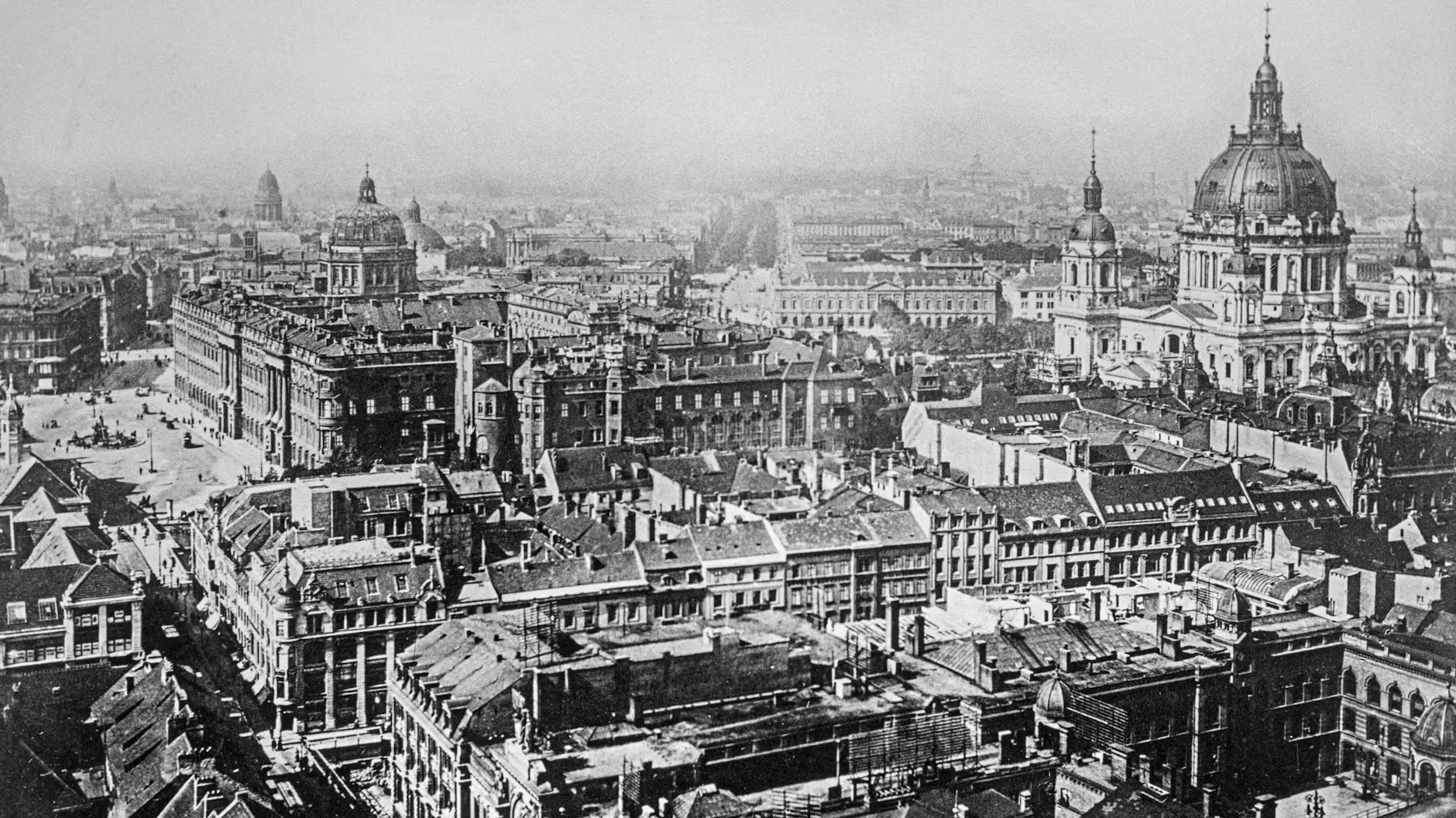
Long before the skyscrapers, Berlin was the capital of Prussia. As your bus winds past Charlottenburg Palace in the west or the Berlin Cathedral in the east, you are looking at the legacy of the Hohenzollern dynasty. They transformed a swampy garrison town into a European powerhouse of culture and military might. The grand boulevard of Unter den Linden was their showpiece, a royal procession route lined with lime trees that led straight to the city palace.
From the top deck, notice the sheer scale of the historical buildings. The Zeughaus (Old Arsenal), now the German Historical Museum, and the majestic Humboldt University speak of an era when Berlin rivaled Paris and Vienna. This imperial confidence set the stage for the city's explosive growth in the 19th century, laying the grid that your bus navigates today.
Unter den Linden & The Cultural Heart
No street in Berlin is more famous than Unter den Linden. Riding down this avenue is like reading the spine of a history book. You pass the State Opera, the Neue Wache memorial, and the Bebelplatz—infamously known as the site of the Nazi book burning in 1933. Today, it’s a hub of learning and art, but the shadows of the past are never far away.
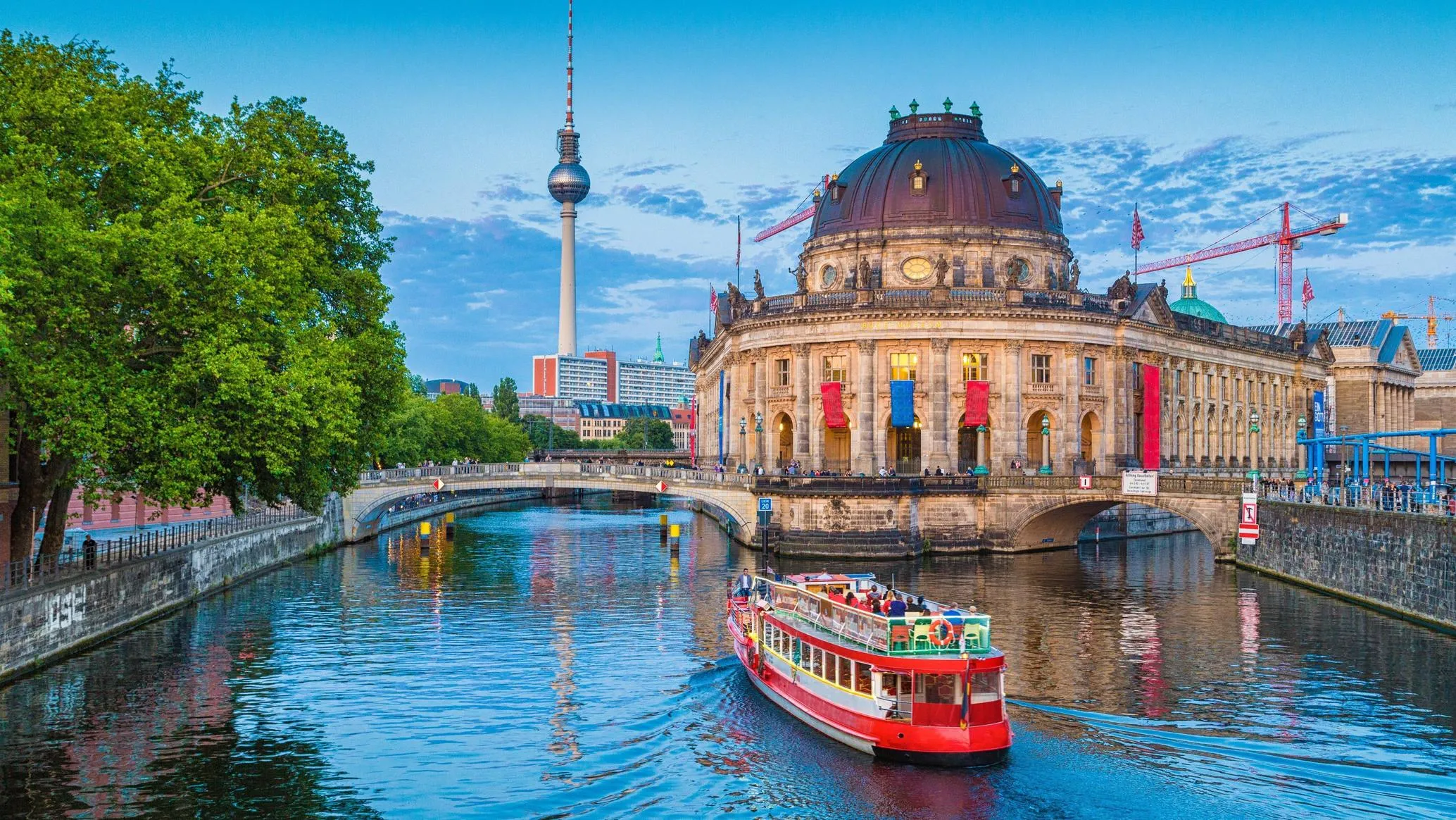
Hop off here to explore Museum Island, a UNESCO World Heritage site. Five world-class museums sit on a small island in the Spree, housing treasures like the Pergamon Altar and the Ishtar Gate. It’s a testament to the 19th-century ideal of public education and art, a quiet sanctuary in the middle of the bustling metropolis.
The Roaring Twenties & Darkening Skies
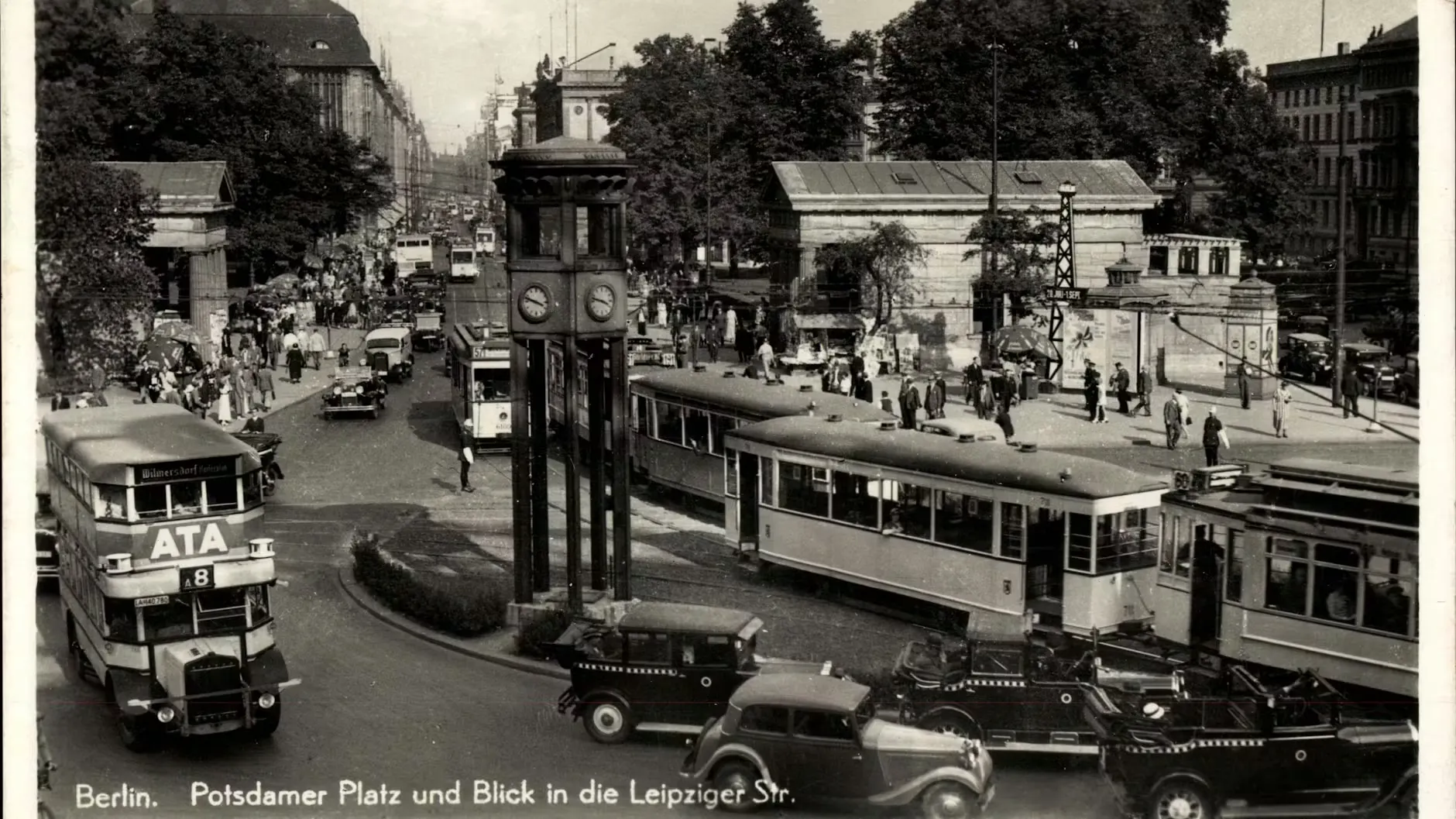
In the 1920s, Berlin was the most exciting city in the world—a frenetic mix of jazz, cabaret, avant-garde art, and political chaos. The area around Potsdamer Platz was home to the first traffic light in Europe, symbolizing a city rushing headlong into the future. As you ride through the now-modernized streets, imagine them filled with the clatter of trams and the buzz of a society dancing on the edge of a volcano.
But the party ended abruptly. The rise of the Nazis in 1933 changed the cityscape forever. The bus route takes you past the site of the former Gestapo headquarters (now the Topography of Terror) and the massive Ministry of Aviation building, one of the few Nazi-era giants to survive the war intact—a chilling reminder of the dictatorship's grip on the city.
Destruction & The Year Zero
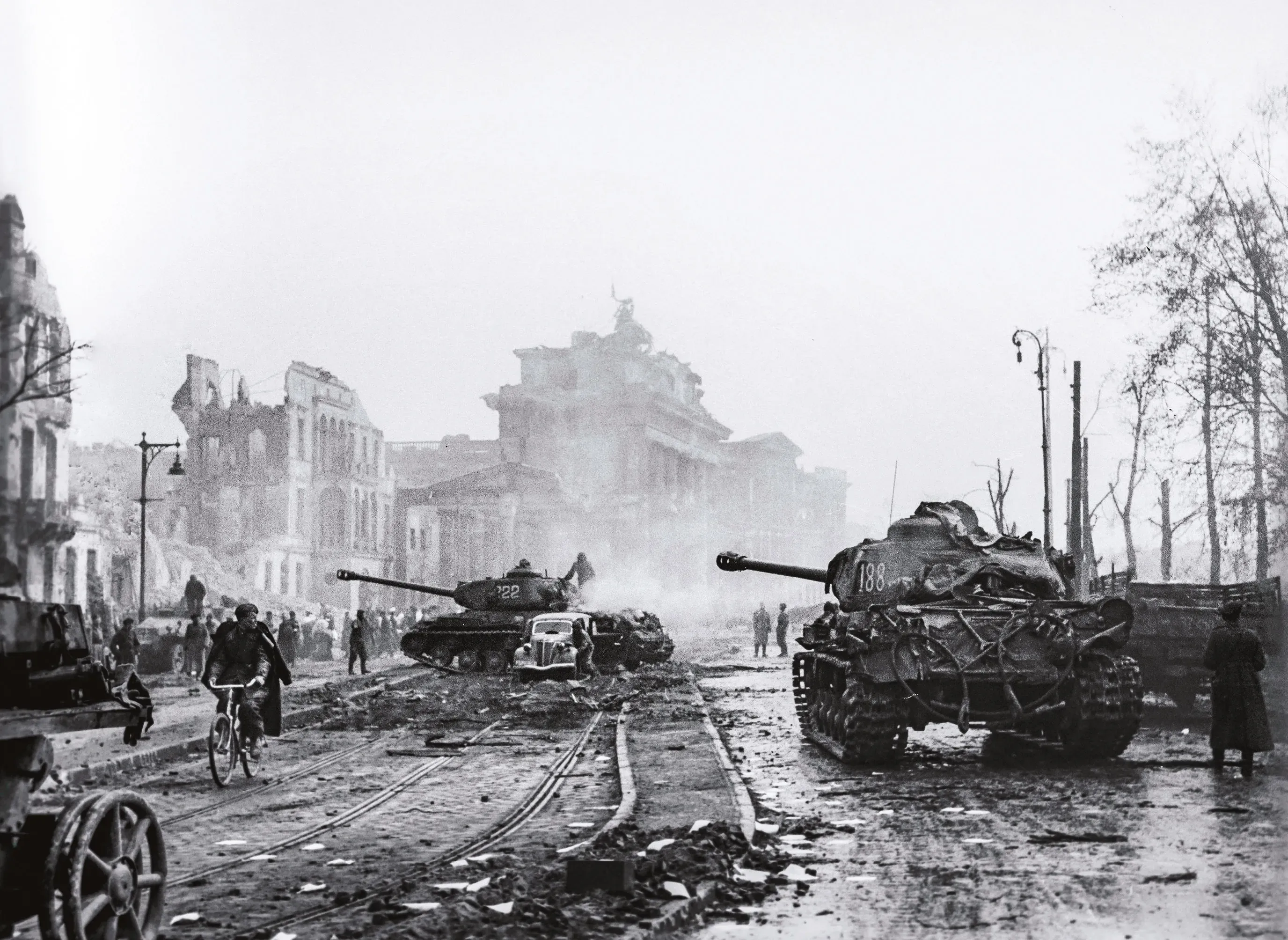
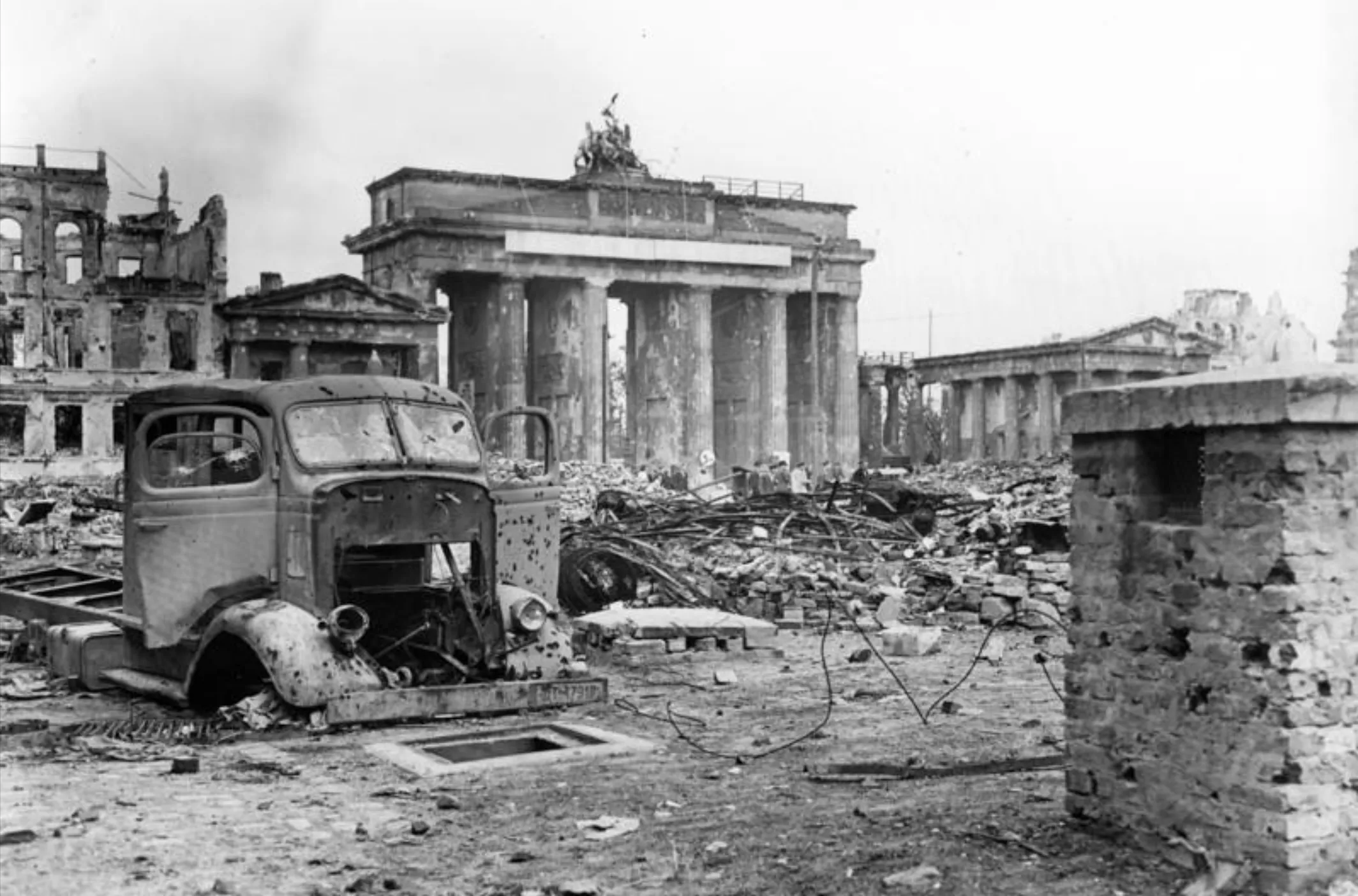
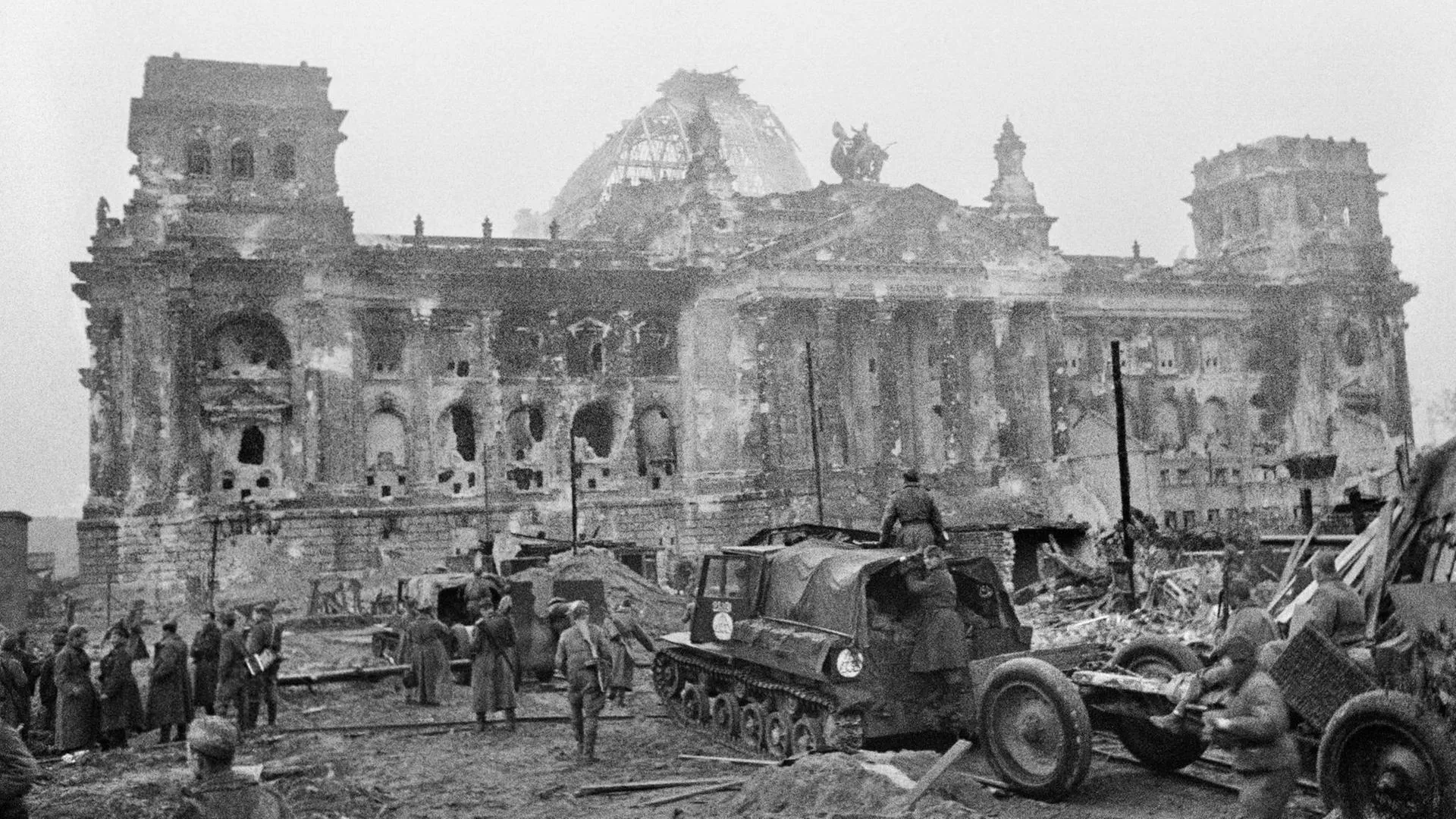
By May 1945, Berlin was a sea of rubble. The Battle of Berlin had reduced the city center to a lunar landscape. The Kaiser Wilhelm Memorial Church, which you will pass on the Kurfürstendamm, was left as a jagged, broken tooth—a deliberate ruin kept as a warning against war. Seeing it from the bus, juxtaposed against polished modern shopping malls, is a moving experience.
This was 'Stunde Null' (Hour Zero). The survivors crawled out of cellars to rebuild a city that had effectively ceased to exist. The layout of the streets you drive on was preserved, but the buildings were often hastily reconstructed or replaced by modern blocks, creating the patchwork architecture that defines Berlin today.
A City Divided: The Wall Goes Up
For 28 years, Berlin was not one city, but two. In 1961, the Soviet-backed East German government built a wall that overnight severed streets, families, and transport lines. Your bus route creates a unique sensation: you cross invisible lines that were once death strips. Where traffic now flows freely, there were once watchtowers, dogs, and tripwires.
The audio guide becomes essential here, pointing out where the 'Anti-Fascist Protection Rampart' (as the East called it) stood. You'll catch glimpses of double rows of cobblestones set into the asphalt—the ghostly footprint of the Wall that snakes through the city, reminding you that you are driving through a former wound.
Checkpoint Charlie & Spy Stories
At Friedrichstraße, you’ll reach Checkpoint Charlie, the most famous border crossing of the Cold War. This was the only place where Allied diplomats and military personnel could cross into the Soviet sector. It was the setting for tank standoffs and desperate escape attempts. Today, it’s a bustling tourist spot with actors in uniform, but the history is real.
Hop off to visit the Mauermuseum (Wall Museum) nearby, witnessing the incredible ingenuity of escapees who used hot air balloons, modified cars, and tunnels to flee to the West. The tension of those years, popularized in spy novels, feels palpable as you stand at this intersection of superpowers.
West Berlin: An Island of Freedom
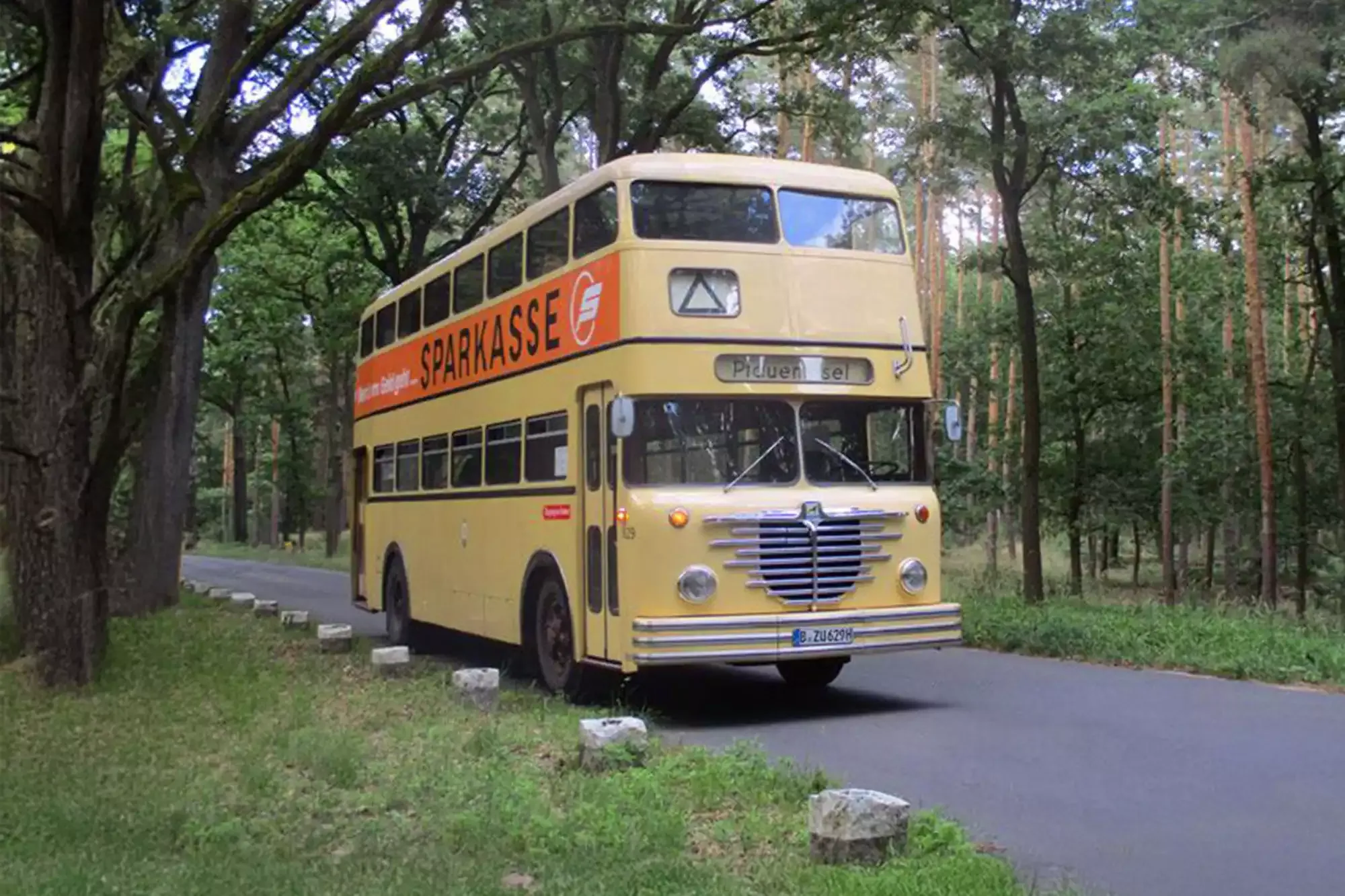
Driving through the western districts like Charlottenburg and Wilmersdorf, the atmosphere changes. This was West Berlin—an island of capitalism and democracy surrounded by the Communist bloc. To show off the success of the West, the Kurfürstendamm became a glittering showcase of luxury and commerce, crowned by the KaDeWe department store.
West Berlin developed a unique, somewhat gritty subculture, attracting draft dodgers and artists like David Bowie. The architecture here is distinct from the East—more 1950s modernism and 19th-century bourgeois facades that survived the war better than the center. It feels established, leafy, and confident.
East Berlin: Socialism in Concrete
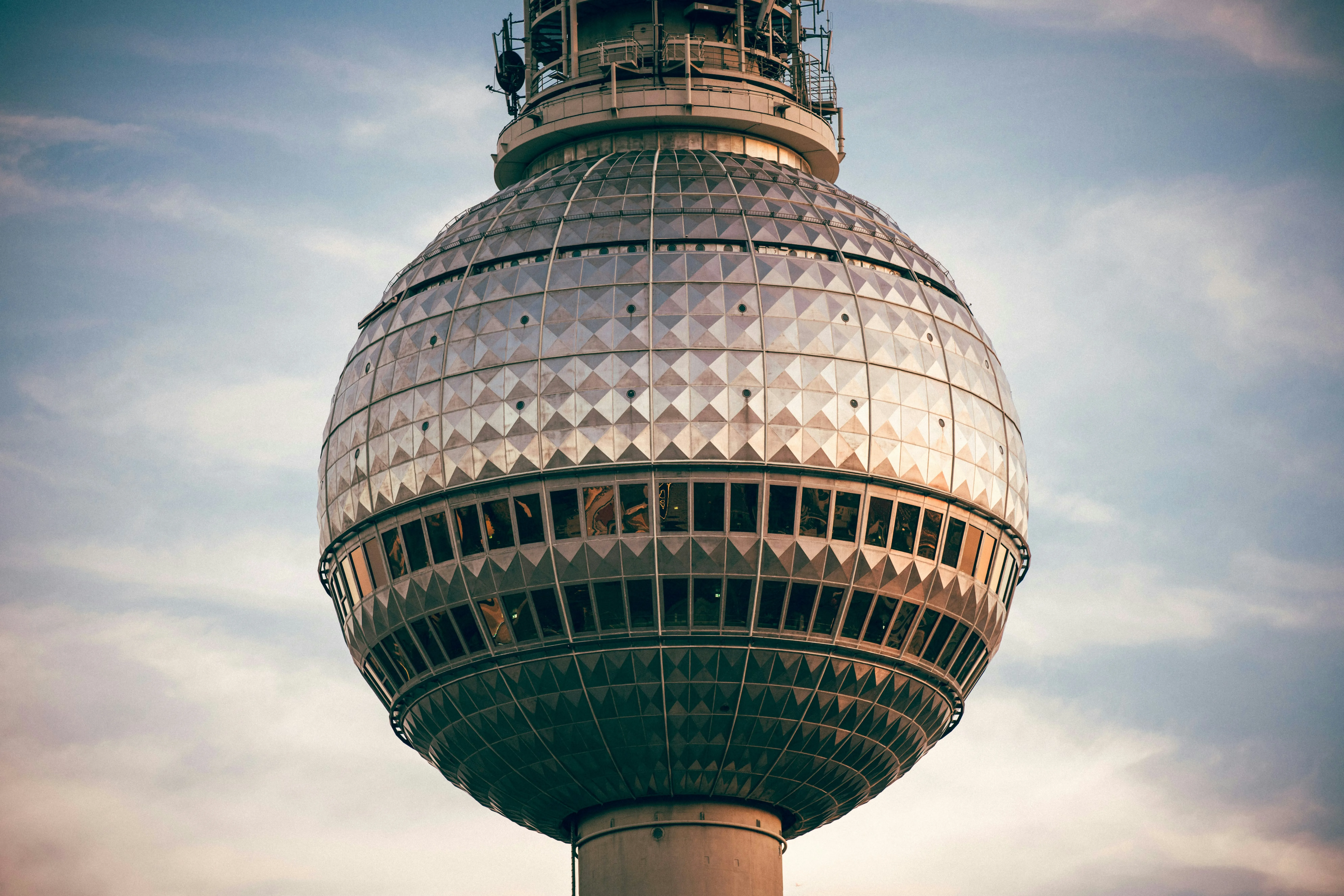
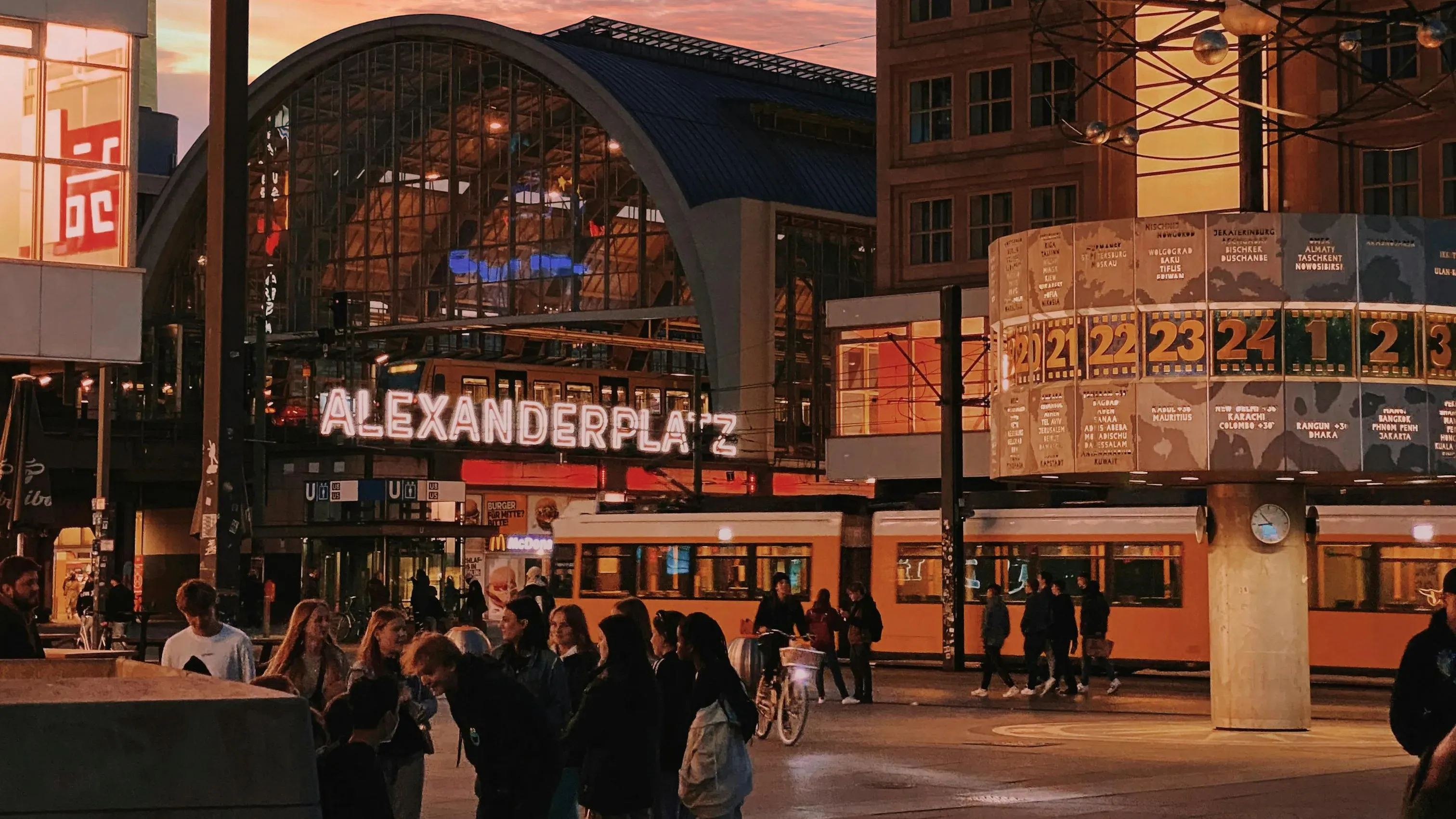
Cross over to Alexanderplatz and you enter the former showcase of the German Democratic Republic (GDR). The Fernsehturm (TV Tower) pierces the clouds, built to be visible from all over the city as a symbol of socialist technological superiority. The vast, windy expanses of the square and the brutalist architecture surrounding it speak of a different ideology.
Karl-Marx-Allee, a short detour from some routes, is a monumental boulevard lined with 'wedding-cake' style Stalinist buildings. It was designed for grand parades and to impress the worker. Today, these neighborhoods are among the hippest in Berlin, but the architectural bones of the socialist dream remain clearly visible.
The Fall of the Wall & Reunification
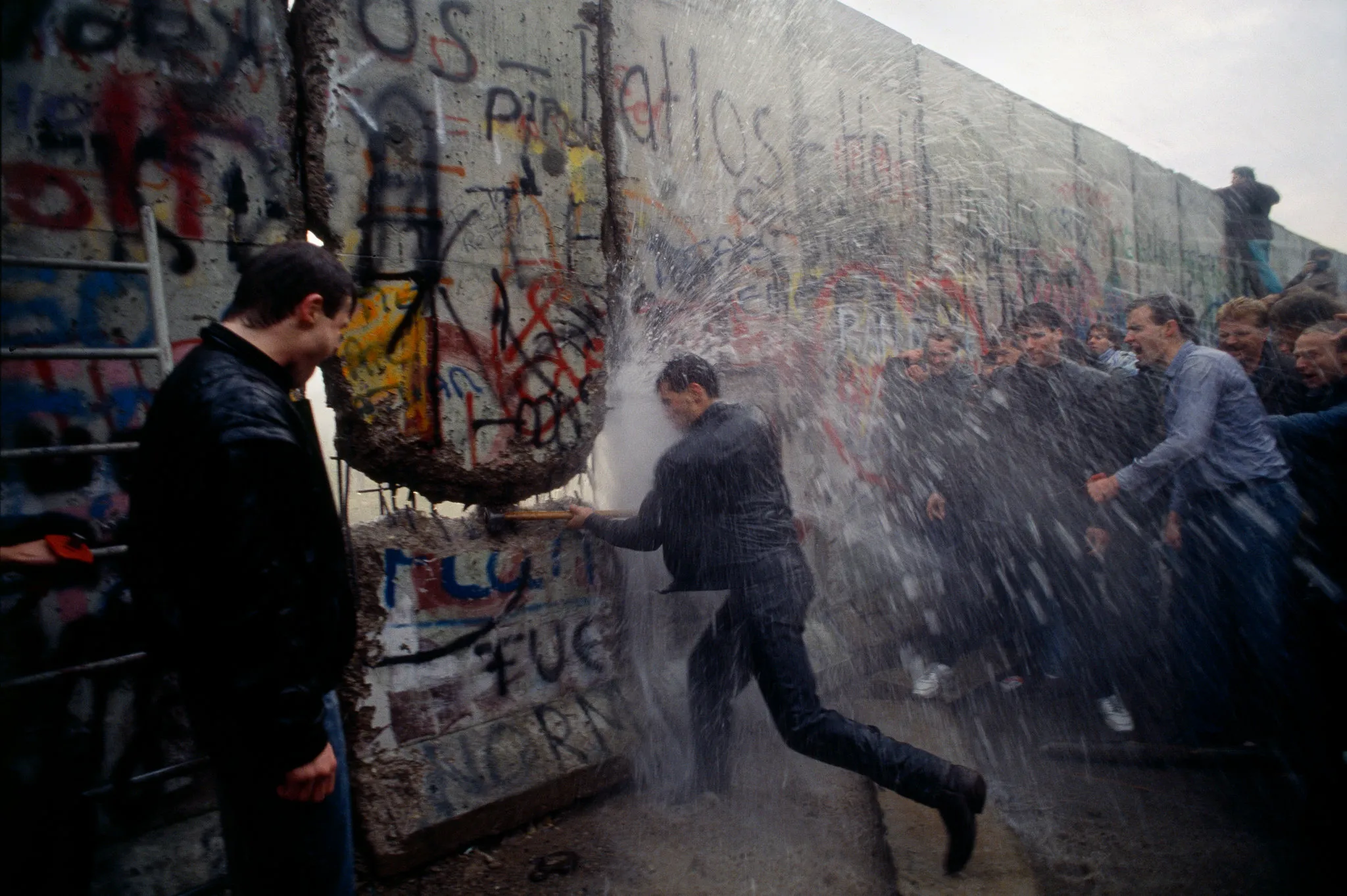
November 9, 1989, is a date etched in history. A botched press conference led to crowds surging towards the border crossings. The guards, overwhelmed and without orders, opened the gates. The Wall had fallen. As your bus drives through the Brandenburg Gate—once isolated in the death strip, now the symbol of unity—try to picture the scenes of jubilation that night.
Reunification was a messy, expensive, and euphoric process. Two transport systems, two power grids, and two mentalities had to be merged. The construction cranes that dominated the skyline for two decades were the needles stitching the city back together. The result is a seamless, yet diverse metropolis where East and West mix freely.
The New Berlin: Potsdamer Platz & Beyond
Potsdamer Platz is the poster child of the New Berlin. A desolate wasteland during the Wall years, it was rebuilt in the 1990s by star architects into a futuristic hub of glass and steel. Riding through here, you feel the pulse of modern Germany—corporate HQs, cinemas, and malls rising where rabbits used to run across the no-man's-land.
It represents Berlin's will to look forward. The Sony Center with its tent-like roof and the Kollhoff Tower offer panoramic views. It’s a stark, shiny contrast to the bullet-pocked facades you might have seen earlier, proving that Berlin is a city that never stops reinventing itself.
Art, Counterculture & The East Side Gallery
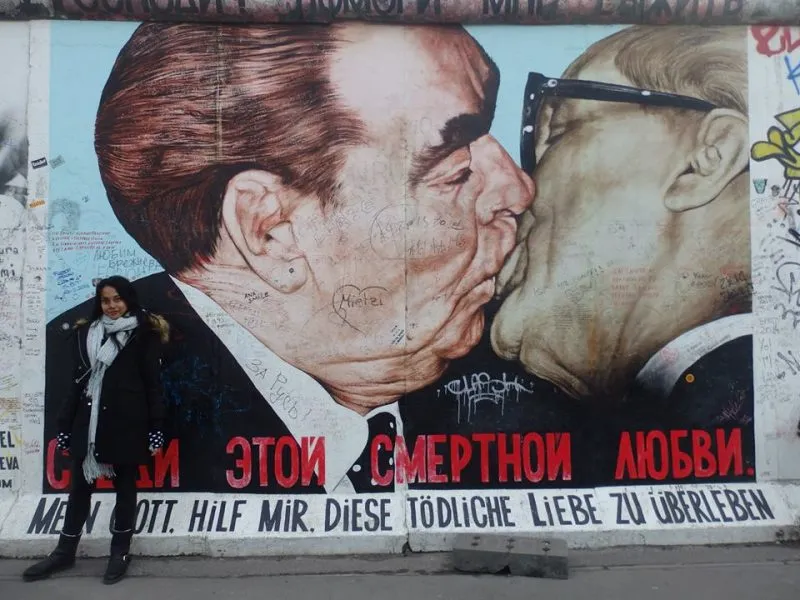
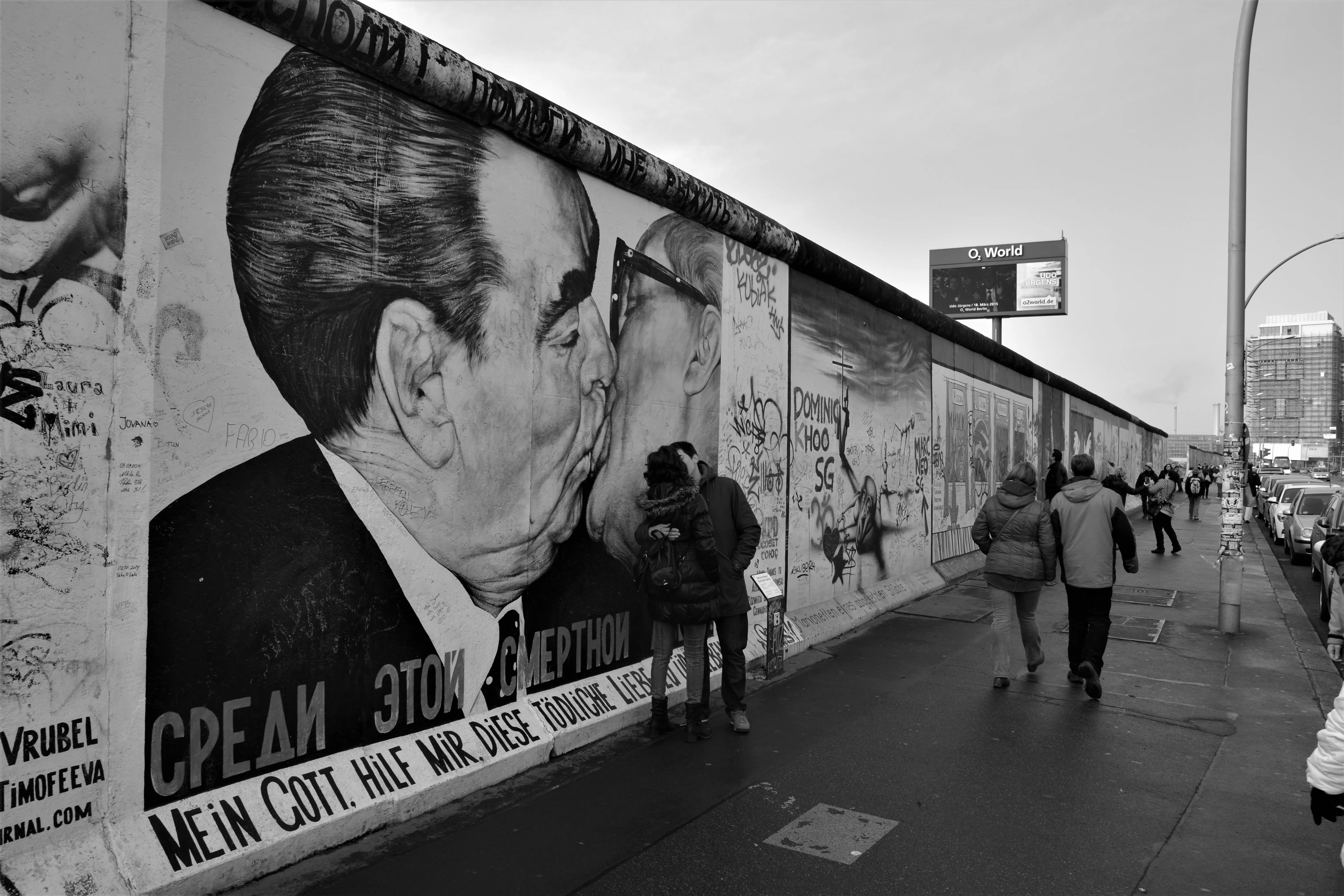
Berlin is famous for its alternative edge. The East Side Gallery is the longest surviving section of the Wall, painted by artists from all over the world in 1990 to celebrate freedom. The 'Fraternal Kiss' mural is an icon. Hopping off here puts you on the doorstep of Friedrichshain, known for its legendary techno clubs, flea markets, and river bars.
This creative spirit is what draws millions to Berlin today. From the squatters of the 90s to the tech start-ups of today, the city has an anarchist heart. The bus allows you to safely dip your toe into these gritty, vibrant areas before whisking you back to the comfort of the hotel district.
Government District: Democracy in Glass
The route around the Spreebogen (Spree bend) shows you the transparency of modern German democracy. The Reichstag building, with its Norman Foster glass dome, sits near the Chancellery and the Paul-Löbe-Haus. The architecture is open, light, and accessible—a deliberate answer to the dark, imposing structures of the past.
Seeing the German flag wave atop the Reichstag is a powerful image of a nation at peace with itself and its neighbors. It is the political engine room of Europe, yet it sits in a park-like setting where citizens picnic on the grass, emphasizing that the government serves the people.
Why the Bus is the Best History Class
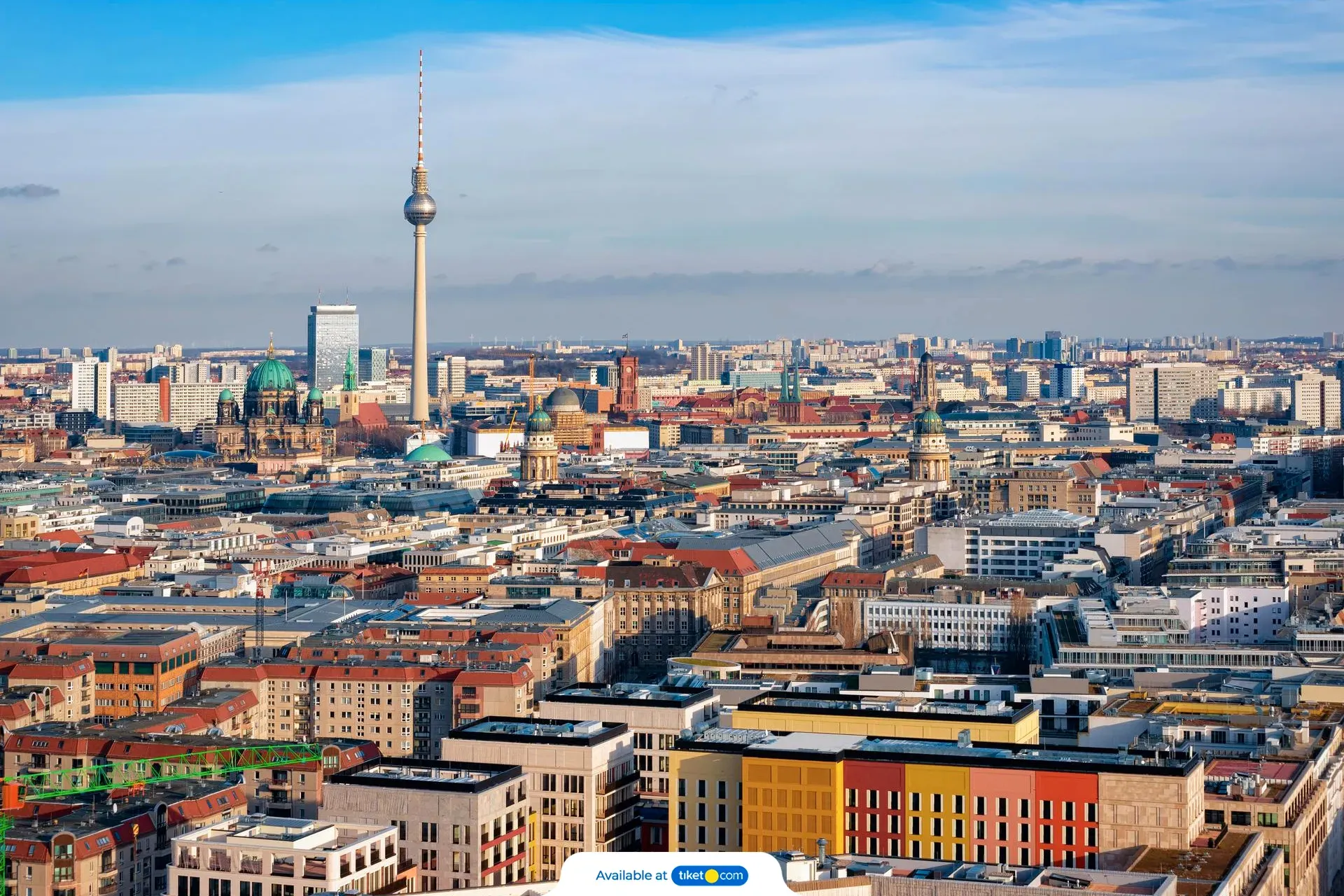
Berlin is not a compact old town like scenic Prague or Florence; it is a sprawling, decentralized giant. Walking between the Wall, the Palace, and the Ku'damm would take days. The bus stitches these dispersed narratives into a coherent story.
From the elevated view of the upper deck, you see the cracks in the pavement, the mismatched architecture, and the geographical scale of the division. You don't just see the sights; you understand the context. You realize that every corner of Berlin has been fought over, built up, knocked down, and built again. It is history, live and unedited, rolling past your window.
Table of Contents
Prussian Roots & Imperial Grandeur
Long before the skyscrapers, Berlin was the capital of Prussia. As your bus winds past Charlottenburg Palace in the west or the Berlin Cathedral in the east, you are looking at the legacy of the Hohenzollern dynasty. They transformed a swampy garrison town into a European powerhouse of culture and military might. The grand boulevard of Unter den Linden was their showpiece, a royal procession route lined with lime trees that led straight to the city palace.
From the top deck, notice the sheer scale of the historical buildings. The Zeughaus (Old Arsenal), now the German Historical Museum, and the majestic Humboldt University speak of an era when Berlin rivaled Paris and Vienna. This imperial confidence set the stage for the city's explosive growth in the 19th century, laying the grid that your bus navigates today.
Unter den Linden & The Cultural Heart
No street in Berlin is more famous than Unter den Linden. Riding down this avenue is like reading the spine of a history book. You pass the State Opera, the Neue Wache memorial, and the Bebelplatz—infamously known as the site of the Nazi book burning in 1933. Today, it’s a hub of learning and art, but the shadows of the past are never far away.
Hop off here to explore Museum Island, a UNESCO World Heritage site. Five world-class museums sit on a small island in the Spree, housing treasures like the Pergamon Altar and the Ishtar Gate. It’s a testament to the 19th-century ideal of public education and art, a quiet sanctuary in the middle of the bustling metropolis.
The Roaring Twenties & Darkening Skies
In the 1920s, Berlin was the most exciting city in the world—a frenetic mix of jazz, cabaret, avant-garde art, and political chaos. The area around Potsdamer Platz was home to the first traffic light in Europe, symbolizing a city rushing headlong into the future. As you ride through the now-modernized streets, imagine them filled with the clatter of trams and the buzz of a society dancing on the edge of a volcano.
But the party ended abruptly. The rise of the Nazis in 1933 changed the cityscape forever. The bus route takes you past the site of the former Gestapo headquarters (now the Topography of Terror) and the massive Ministry of Aviation building, one of the few Nazi-era giants to survive the war intact—a chilling reminder of the dictatorship's grip on the city.
Destruction & The Year Zero
By May 1945, Berlin was a sea of rubble. The Battle of Berlin had reduced the city center to a lunar landscape. The Kaiser Wilhelm Memorial Church, which you will pass on the Kurfürstendamm, was left as a jagged, broken tooth—a deliberate ruin kept as a warning against war. Seeing it from the bus, juxtaposed against polished modern shopping malls, is a moving experience.
This was 'Stunde Null' (Hour Zero). The survivors crawled out of cellars to rebuild a city that had effectively ceased to exist. The layout of the streets you drive on was preserved, but the buildings were often hastily reconstructed or replaced by modern blocks, creating the patchwork architecture that defines Berlin today.
A City Divided: The Wall Goes Up
For 28 years, Berlin was not one city, but two. In 1961, the Soviet-backed East German government built a wall that overnight severed streets, families, and transport lines. Your bus route creates a unique sensation: you cross invisible lines that were once death strips. Where traffic now flows freely, there were once watchtowers, dogs, and tripwires.
The audio guide becomes essential here, pointing out where the 'Anti-Fascist Protection Rampart' (as the East called it) stood. You'll catch glimpses of double rows of cobblestones set into the asphalt—the ghostly footprint of the Wall that snakes through the city, reminding you that you are driving through a former wound.
Checkpoint Charlie & Spy Stories
At Friedrichstraße, you’ll reach Checkpoint Charlie, the most famous border crossing of the Cold War. This was the only place where Allied diplomats and military personnel could cross into the Soviet sector. It was the setting for tank standoffs and desperate escape attempts. Today, it’s a bustling tourist spot with actors in uniform, but the history is real.
Hop off to visit the Mauermuseum (Wall Museum) nearby, witnessing the incredible ingenuity of escapees who used hot air balloons, modified cars, and tunnels to flee to the West. The tension of those years, popularized in spy novels, feels palpable as you stand at this intersection of superpowers.
West Berlin: An Island of Freedom
Driving through the western districts like Charlottenburg and Wilmersdorf, the atmosphere changes. This was West Berlin—an island of capitalism and democracy surrounded by the Communist bloc. To show off the success of the West, the Kurfürstendamm became a glittering showcase of luxury and commerce, crowned by the KaDeWe department store.
West Berlin developed a unique, somewhat gritty subculture, attracting draft dodgers and artists like David Bowie. The architecture here is distinct from the East—more 1950s modernism and 19th-century bourgeois facades that survived the war better than the center. It feels established, leafy, and confident.
East Berlin: Socialism in Concrete
Cross over to Alexanderplatz and you enter the former showcase of the German Democratic Republic (GDR). The Fernsehturm (TV Tower) pierces the clouds, built to be visible from all over the city as a symbol of socialist technological superiority. The vast, windy expanses of the square and the brutalist architecture surrounding it speak of a different ideology.
Karl-Marx-Allee, a short detour from some routes, is a monumental boulevard lined with 'wedding-cake' style Stalinist buildings. It was designed for grand parades and to impress the worker. Today, these neighborhoods are among the hippest in Berlin, but the architectural bones of the socialist dream remain clearly visible.
The Fall of the Wall & Reunification
November 9, 1989, is a date etched in history. A botched press conference led to crowds surging towards the border crossings. The guards, overwhelmed and without orders, opened the gates. The Wall had fallen. As your bus drives through the Brandenburg Gate—once isolated in the death strip, now the symbol of unity—try to picture the scenes of jubilation that night.
Reunification was a messy, expensive, and euphoric process. Two transport systems, two power grids, and two mentalities had to be merged. The construction cranes that dominated the skyline for two decades were the needles stitching the city back together. The result is a seamless, yet diverse metropolis where East and West mix freely.
The New Berlin: Potsdamer Platz & Beyond
Potsdamer Platz is the poster child of the New Berlin. A desolate wasteland during the Wall years, it was rebuilt in the 1990s by star architects into a futuristic hub of glass and steel. Riding through here, you feel the pulse of modern Germany—corporate HQs, cinemas, and malls rising where rabbits used to run across the no-man's-land.
It represents Berlin's will to look forward. The Sony Center with its tent-like roof and the Kollhoff Tower offer panoramic views. It’s a stark, shiny contrast to the bullet-pocked facades you might have seen earlier, proving that Berlin is a city that never stops reinventing itself.
Art, Counterculture & The East Side Gallery
Berlin is famous for its alternative edge. The East Side Gallery is the longest surviving section of the Wall, painted by artists from all over the world in 1990 to celebrate freedom. The 'Fraternal Kiss' mural is an icon. Hopping off here puts you on the doorstep of Friedrichshain, known for its legendary techno clubs, flea markets, and river bars.
This creative spirit is what draws millions to Berlin today. From the squatters of the 90s to the tech start-ups of today, the city has an anarchist heart. The bus allows you to safely dip your toe into these gritty, vibrant areas before whisking you back to the comfort of the hotel district.
Government District: Democracy in Glass
The route around the Spreebogen (Spree bend) shows you the transparency of modern German democracy. The Reichstag building, with its Norman Foster glass dome, sits near the Chancellery and the Paul-Löbe-Haus. The architecture is open, light, and accessible—a deliberate answer to the dark, imposing structures of the past.
Seeing the German flag wave atop the Reichstag is a powerful image of a nation at peace with itself and its neighbors. It is the political engine room of Europe, yet it sits in a park-like setting where citizens picnic on the grass, emphasizing that the government serves the people.
Why the Bus is the Best History Class
Berlin is not a compact old town like scenic Prague or Florence; it is a sprawling, decentralized giant. Walking between the Wall, the Palace, and the Ku'damm would take days. The bus stitches these dispersed narratives into a coherent story.
From the elevated view of the upper deck, you see the cracks in the pavement, the mismatched architecture, and the geographical scale of the division. You don't just see the sights; you understand the context. You realize that every corner of Berlin has been fought over, built up, knocked down, and built again. It is history, live and unedited, rolling past your window.