12 Lost Buildings of Berlin - Vanished Architecture Guide
Explore the history of Berlin's demolished landmarks. The Deutschlandhalle, Palast der Republik, Sportpalast, and more treasures lost to time.
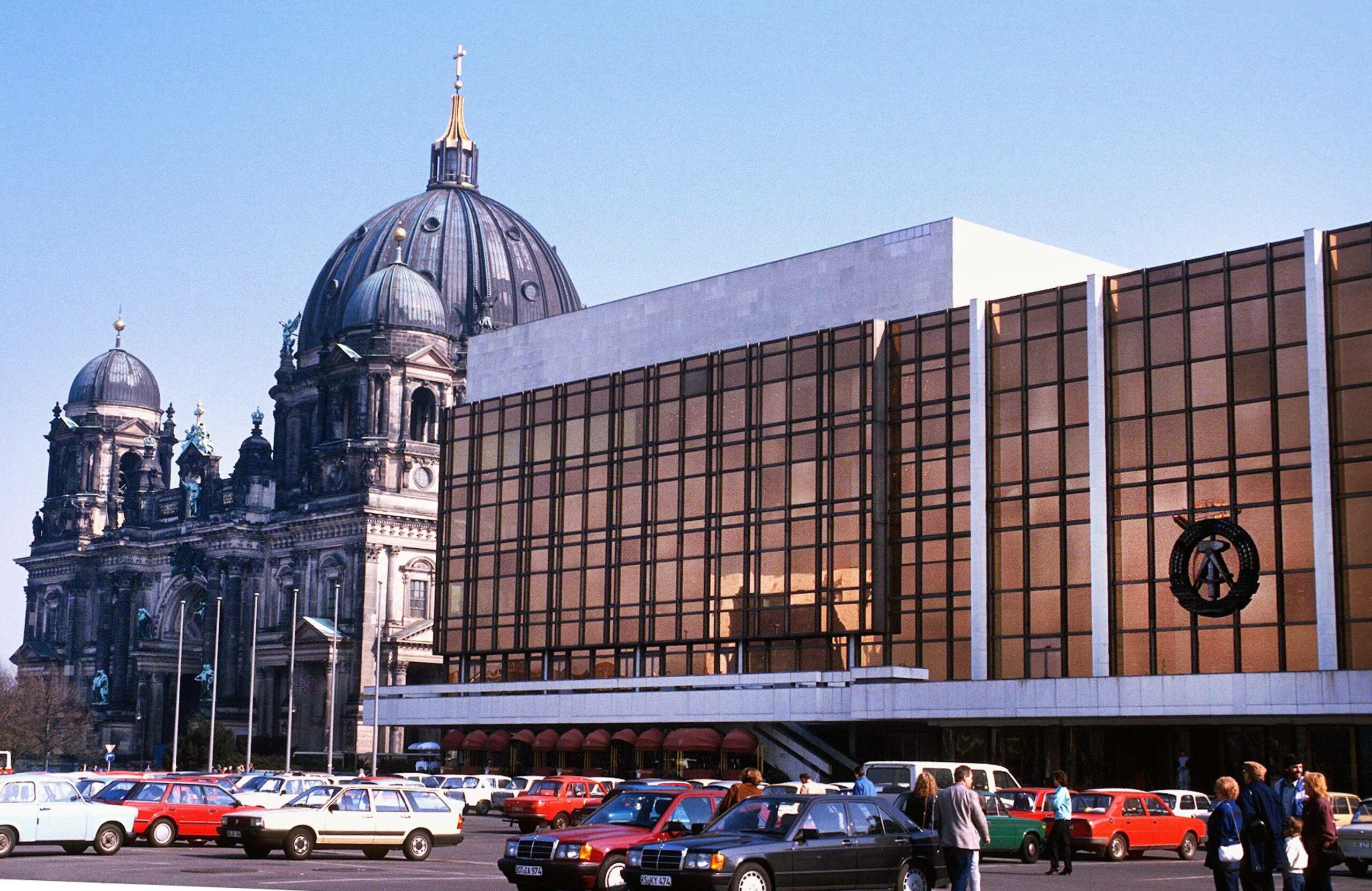
Berlin buildings have a habit of disappearing. When compared to other major European cities, Germany’s capital doesn’t have many old buildings. It’s no mystery as to why: World War II bombs, the construction of the Berlin Wall, poor urban planning, and modernization have all contributed to this.
Here are 12 important buildings that are lost to history.
1. Deutschlandhalle
The first iteration of the Deutschlandhalle was built in 1935. It held up to 16,000 people and was frequently used for shows, sporting events, and even Nazi propaganda events. It was mostly destroyed during the war but was quickly rebuilt and reopened in 1957.
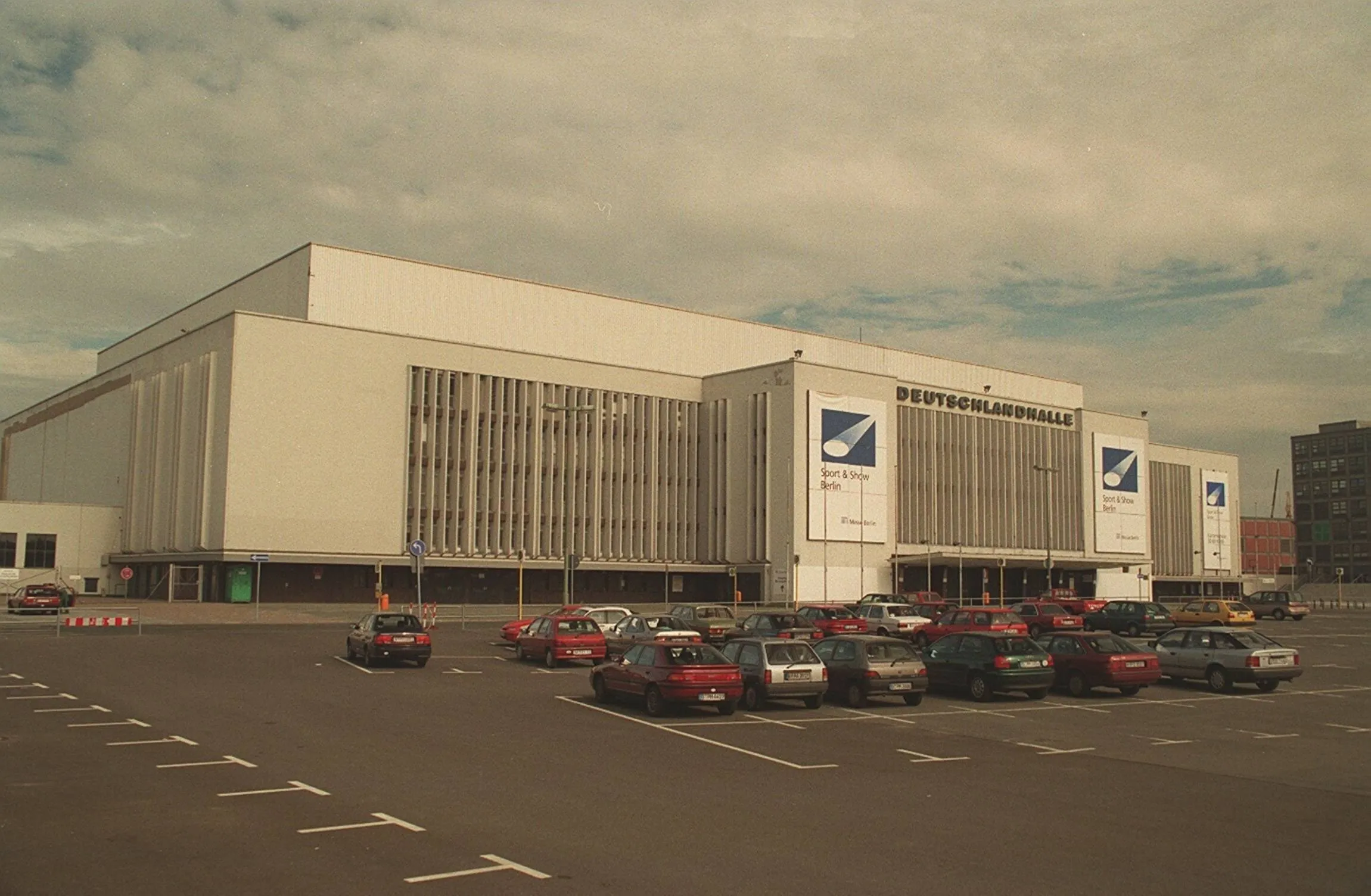
The new building was a hot spot for international musicians driving the rock and pop revolution: Jimi Hendrix, David Bowie, The Who, Pink Floyd, and the Rolling Stones all played shows there. The Deutschlandhalle ceased concert operations in 1998 and was converted into an ice rink. In 2011, the building was demolished, and the modern trade fair and congress hall City Cube was built on the site.
2. Palast der Republik
This is probably the most famous of Berlin’s vanished buildings. The Palast der Republik stood where the old Stadtschloss (City Palace) used to be. It served as the seat of the DDR People’s Chamber beginning in 1976.
As a cheeky nod towards then-GDR leader Erich Honecker, the Palast was nicknamed "Erich’s Lampenladen" (or Erich’s lamp shop) because of the opulent interior lighting.
After the fall of the Wall, the building was closed and completely gutted because of the asbestos used in its construction. Despite widespread protests, it was finally demolished in 2008. The Humboldt Forum now stands at this site.
3. Gloria Palast
The Gloria Palast was one of the most important cinemas in Berlin from 1925 to 1998. The original building was destroyed during the war and rebuilt on the same site. In the 1950s, it was the venue for the Berlinale.
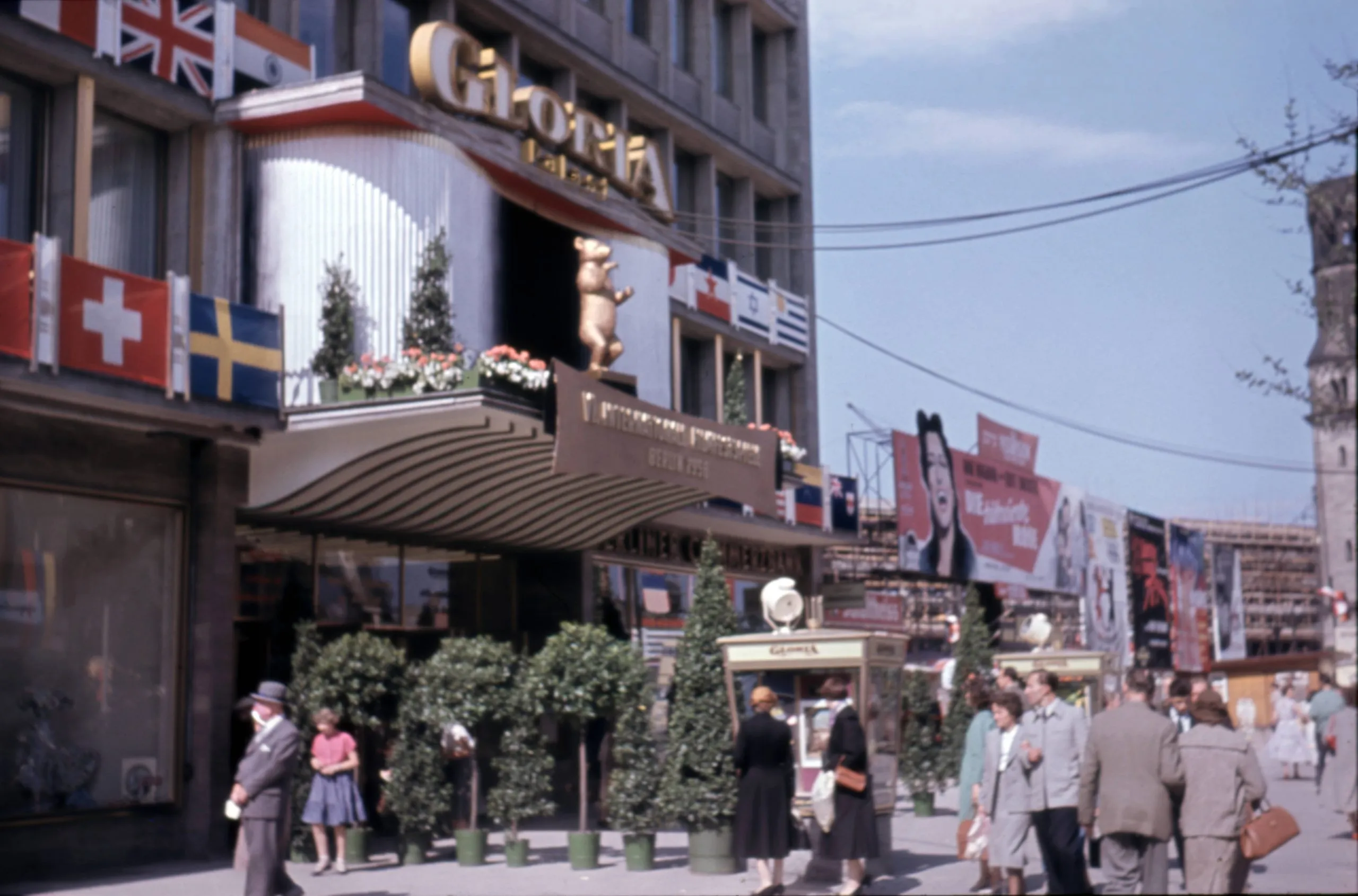
However, the venerable institution couldn’t quite keep up with modern cinemas and finally packed it in in 1998. It was demolished in 2017.
4. Ahornblatt
This unusual building resembled a gigantic maple leaf, and it was originally used as a restaurant for the DDR’s Ministry of Construction. In later years, the restaurant’s use was expanded to host staff from other government agencies.
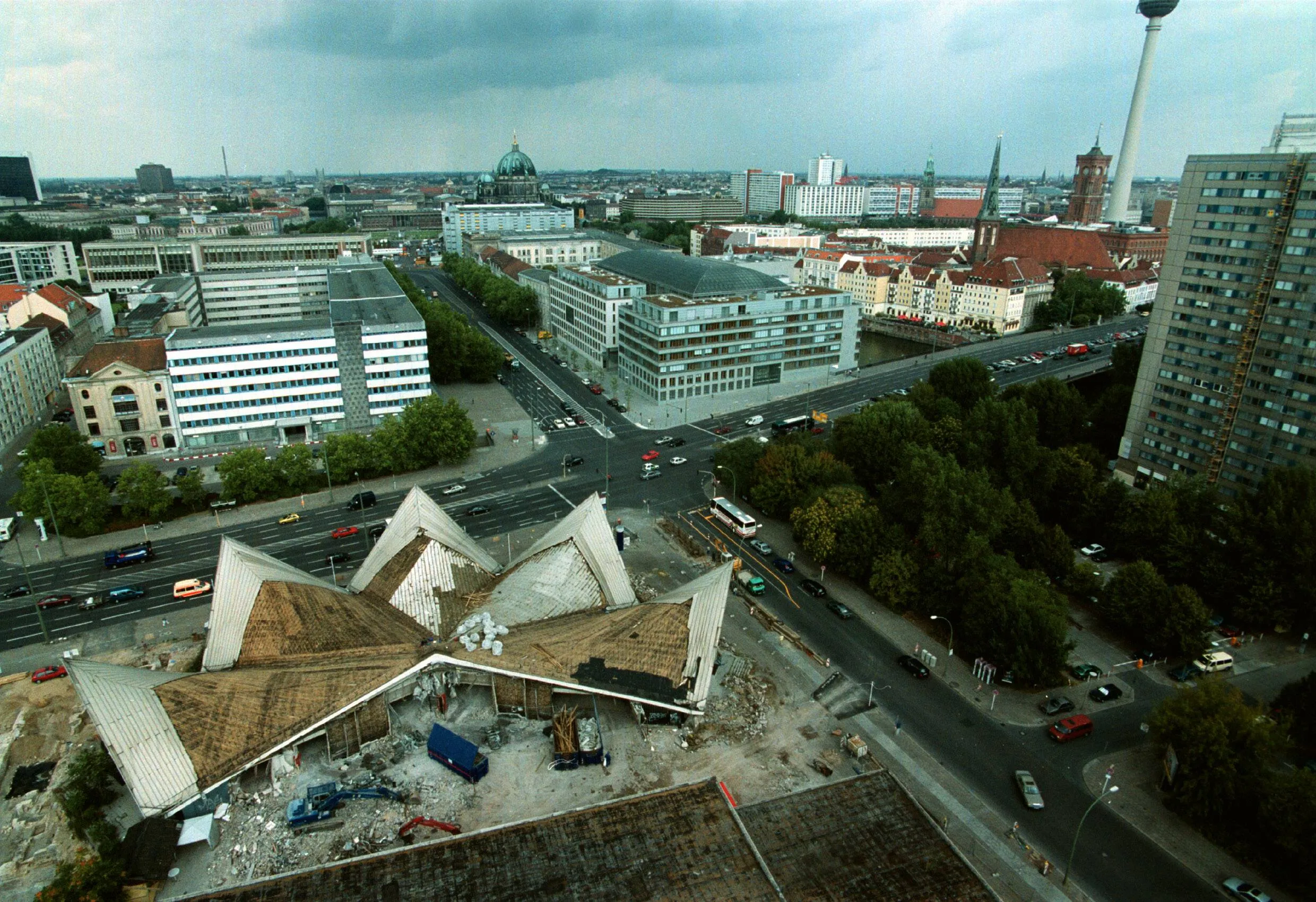
After the fall of the Berlin Wall, techno parties were held in the building, but it stood empty after 1994. Despite fierce protests from the activists in the cultural and art scene, it was demolished in 2000.
5. Sportpalast
The multi-purpose hall opened in 1910 in Schöneberg. It held 10,000 guests and was used for sporting events such as speed skating, boxing matches, and the Six-Day Race.
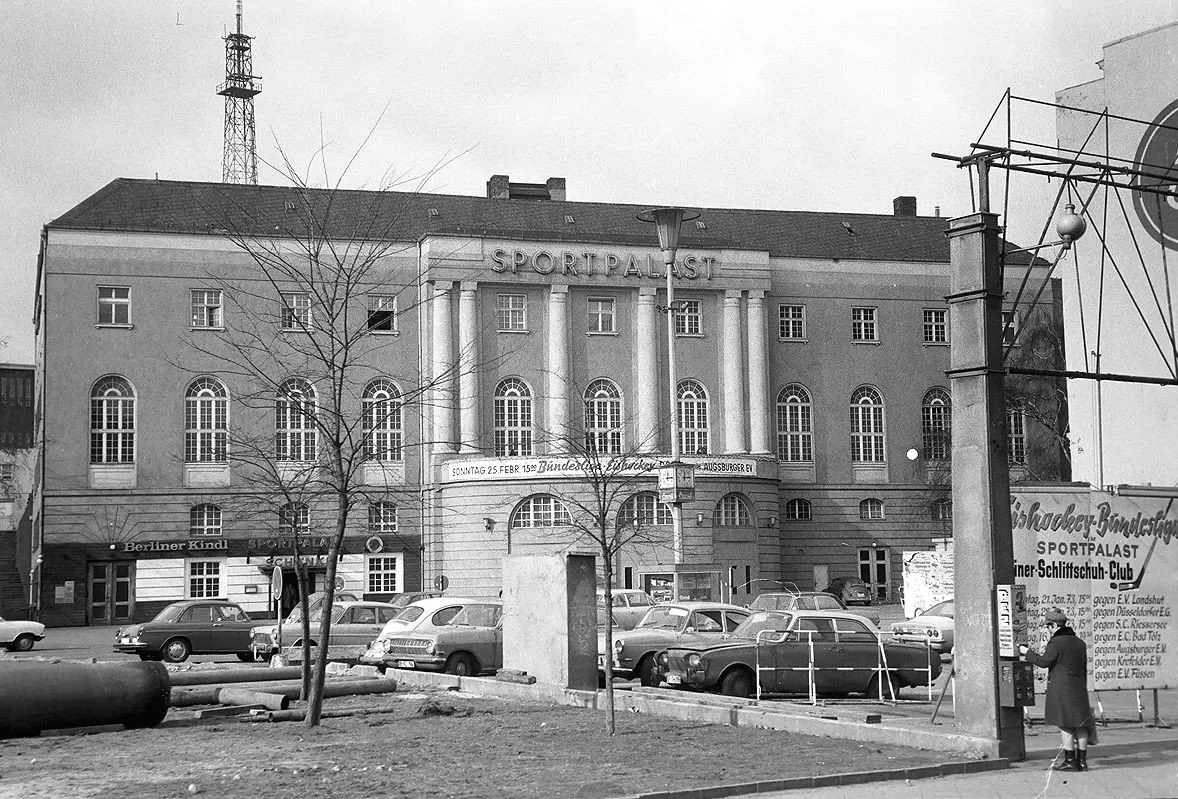
Following severe war damage, the Sportpalast was rebuilt and continued to function as a venue for sports and concerts. However, after 1973, it was no longer profitable to continue operating the venue, so the Pallasseum housing complex was built in its place (which you can see from the bus!).
6. Versöhnungskirche (Church of Reconciliation)
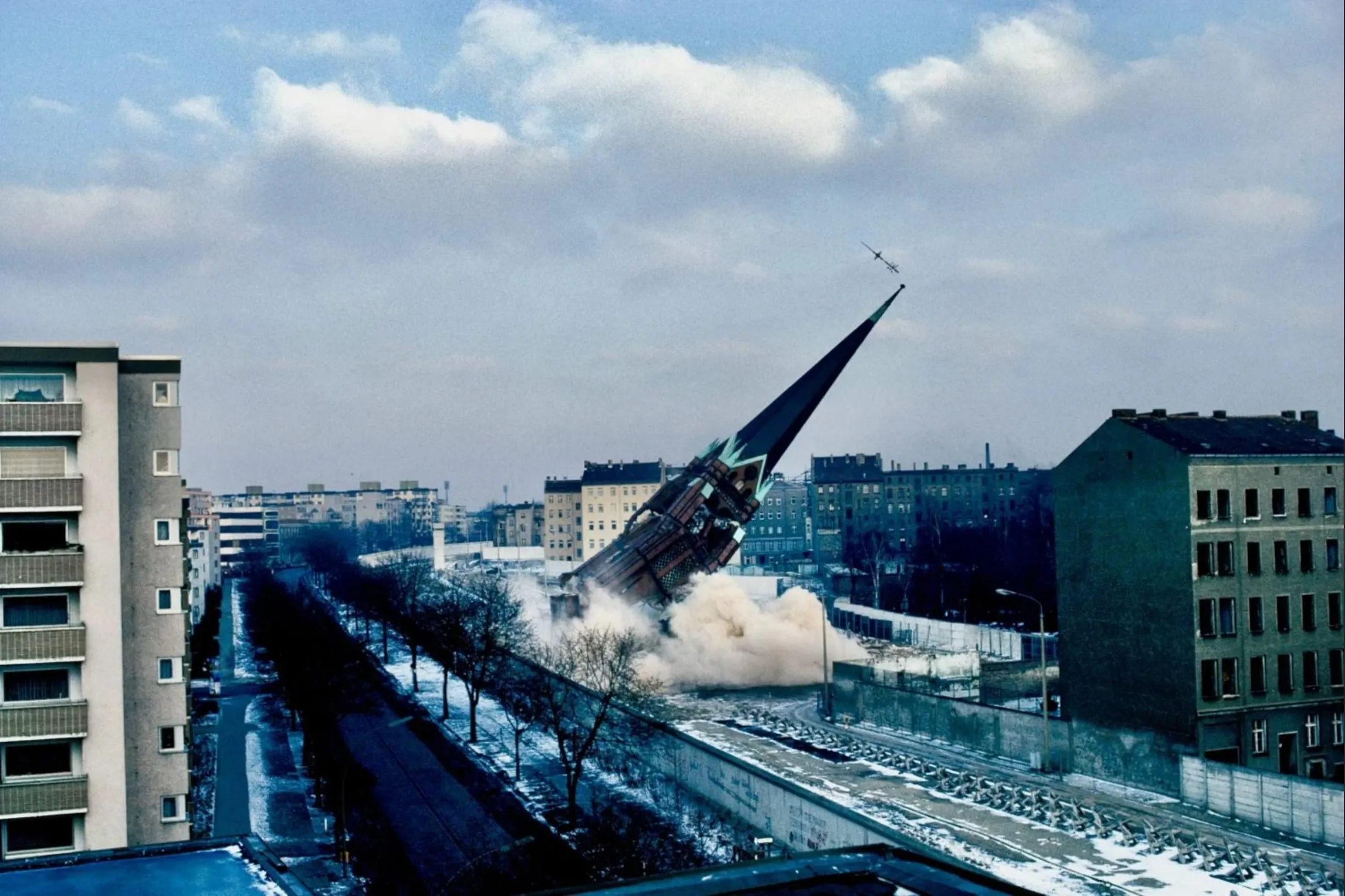
This Protestant church, built in 1892, sat on the border between the Wedding and Mitte district. When the Berlin Wall went up in 1961, the church was located inside the so-called ‘Death Strip’ and remained closed for over 20 years.
Border guards sometimes used it as a watchtower until in January 1985, the DDR government demolished it.
7. Berliner Bauakademie
The Bauakademie was designed by Berlin’s superstar architect, Karl Friedrich Schinkel. The building served as a college where architects were trained.
The Bauakademie was damaged during the war, then demolished to make way for the DDR’s Ministry of Foreign Affairs. The Foreign Affairs office didn’t stick around for long though and was demolished in 1995.
8. Altes Ku’damm-Eck
You can hardly get more West Berlin than this. This futuristic, Lego-like department store building on Ku’damm was built in 1973. The highlight of the building was an enormous light grid screen with moving images and text.
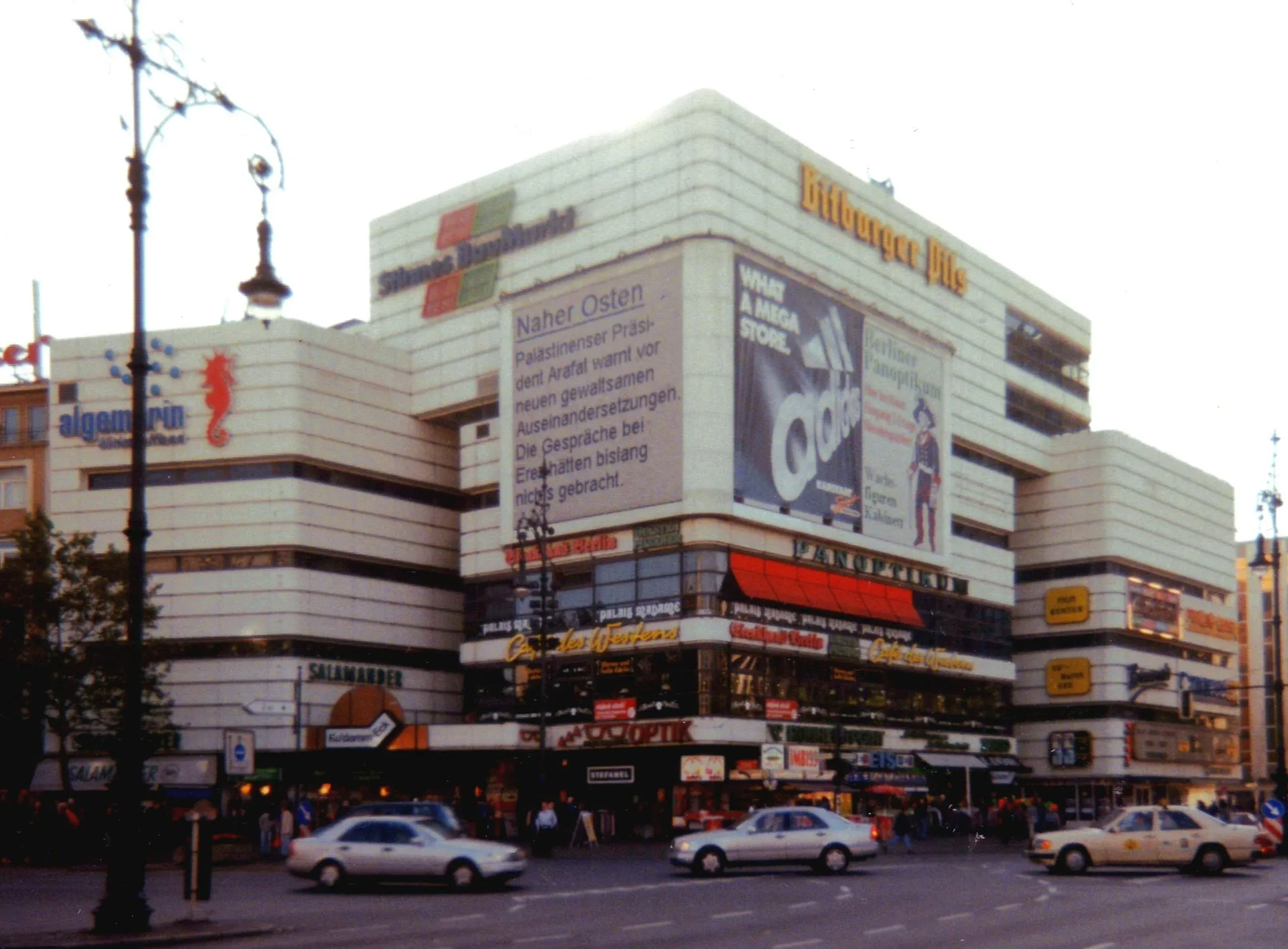
However, in spite of its popularity and bold design, the building never received cultural heritage protection and was demolished in 1998.
9. Kino Tivoli
In 1895, the Skladanowsky brothers brought their moving pictures to Berlin. They showed them to the public first in Pankow’s Tivoli. It established itself as a modern cinema in the 1920s.
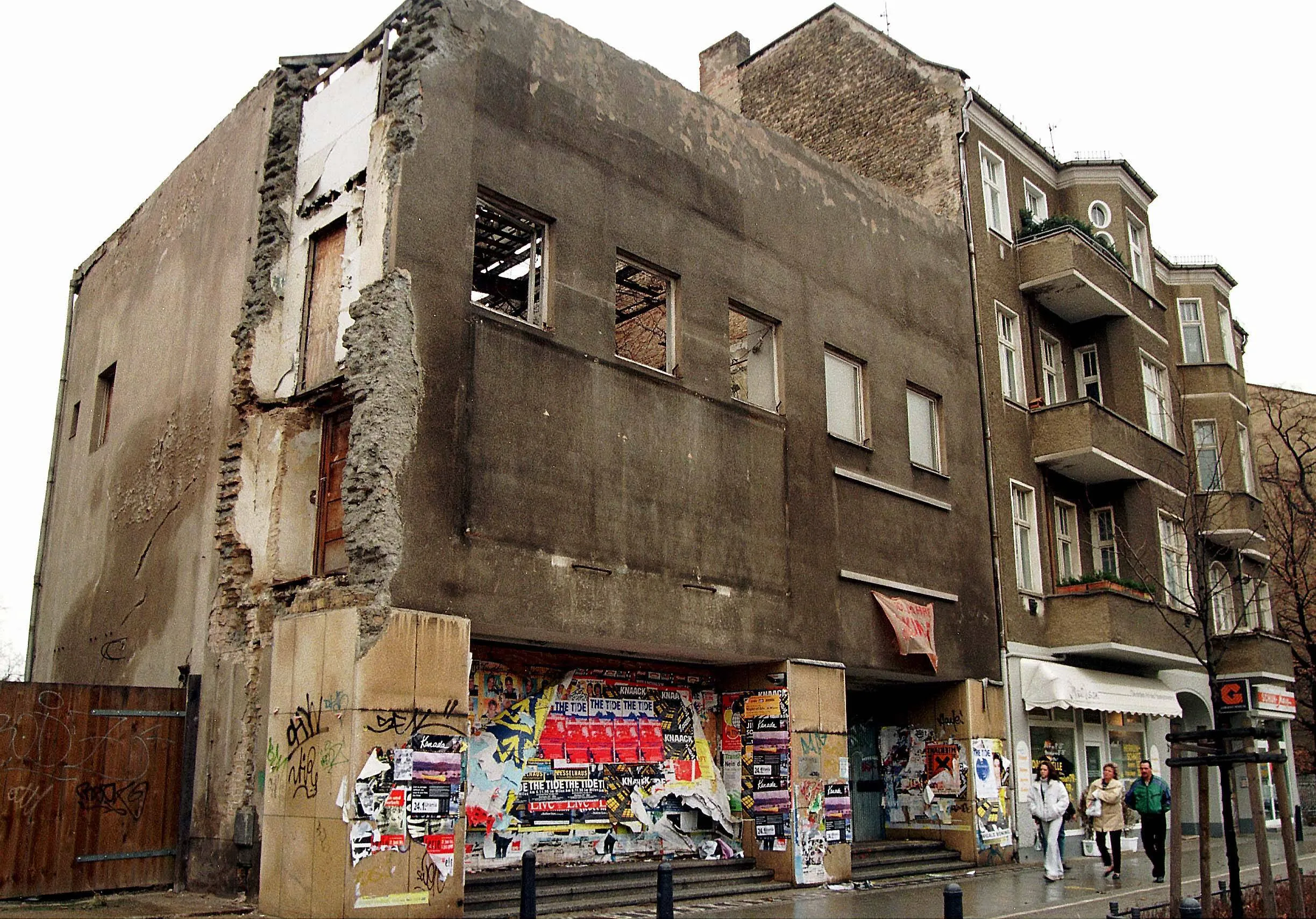
The building survived WWII bombing and GDR rule, but it was finally closed in 1994, after almost exactly 100 years. It was demolished in 2003.
10. Stadtbad Wedding
Stadtbad Wedding was once one of Berlin’s large public baths. The building was destroyed during the war and rebuilt in the 1950s.
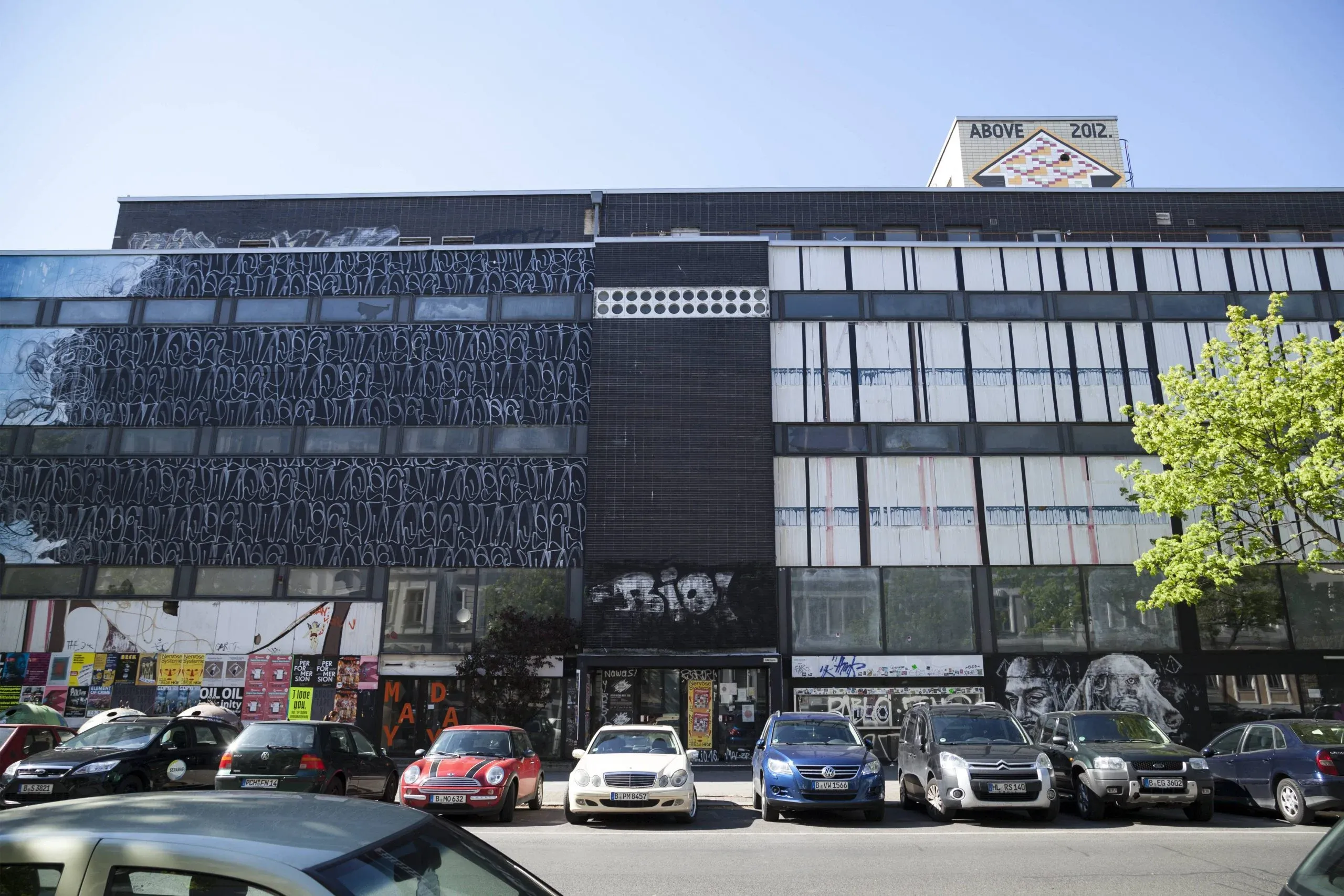
The pool closed in 2002 but reopened in 2009 under the name STATTBAD as an art venue and club. STATTBAD was a key feature in Wedding’s culture scene until it was shut down in 2015 and demolished a year later.
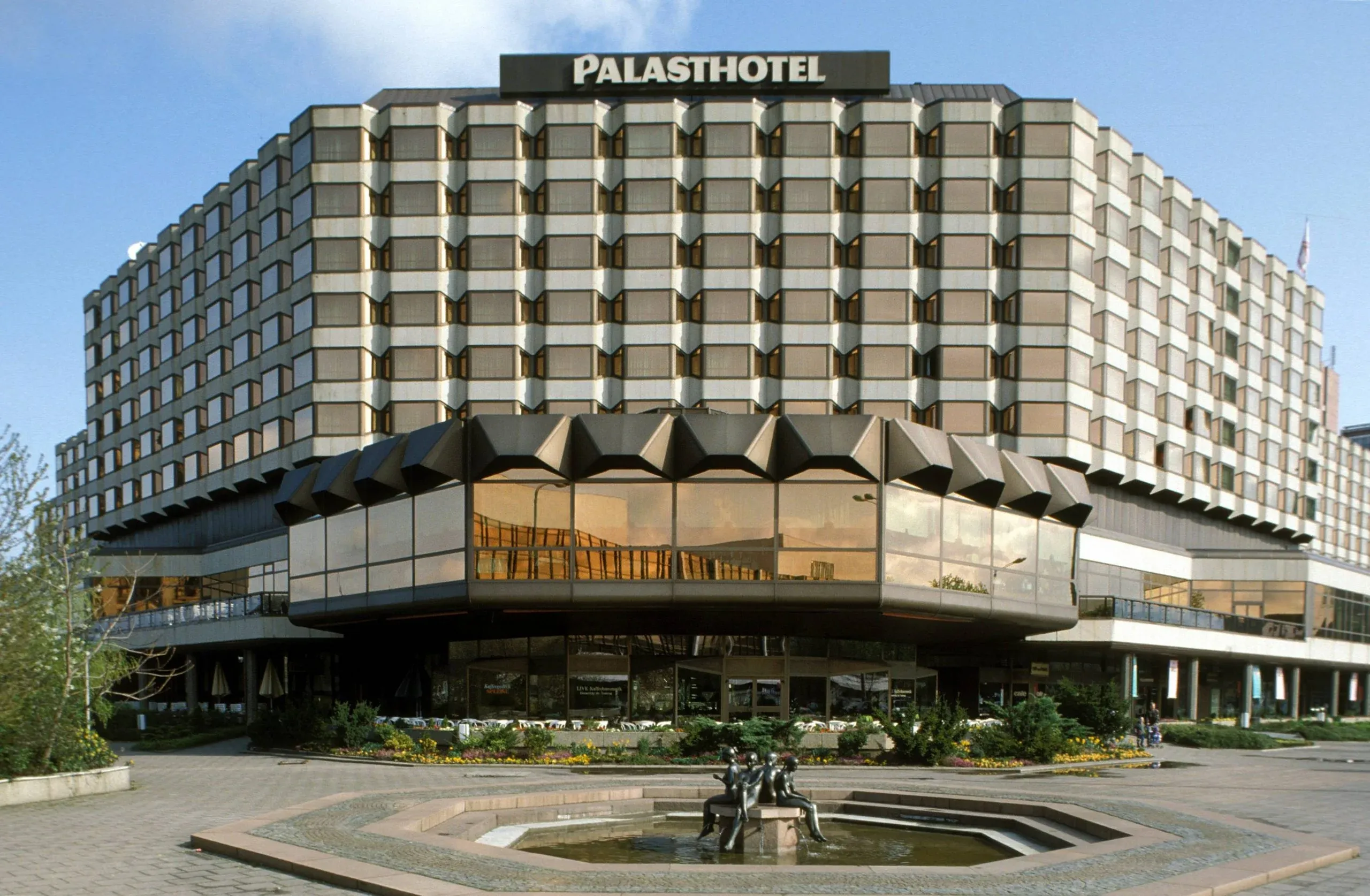
11. Palasthotel
The Palasthotel was a five-star hotel in the DDR – the concrete façade was interspersed with eye-catching amber windows. It hosted important officials in the DDR and foreign guests, and the Stasi monitored everything that happened inside.
12. Stadion der Weltjugend (Stadium of World Youth)
The stadium was built in 1950 and was named the Walter Ulbricht Stadium. It was the largest stadium in East Berlin.
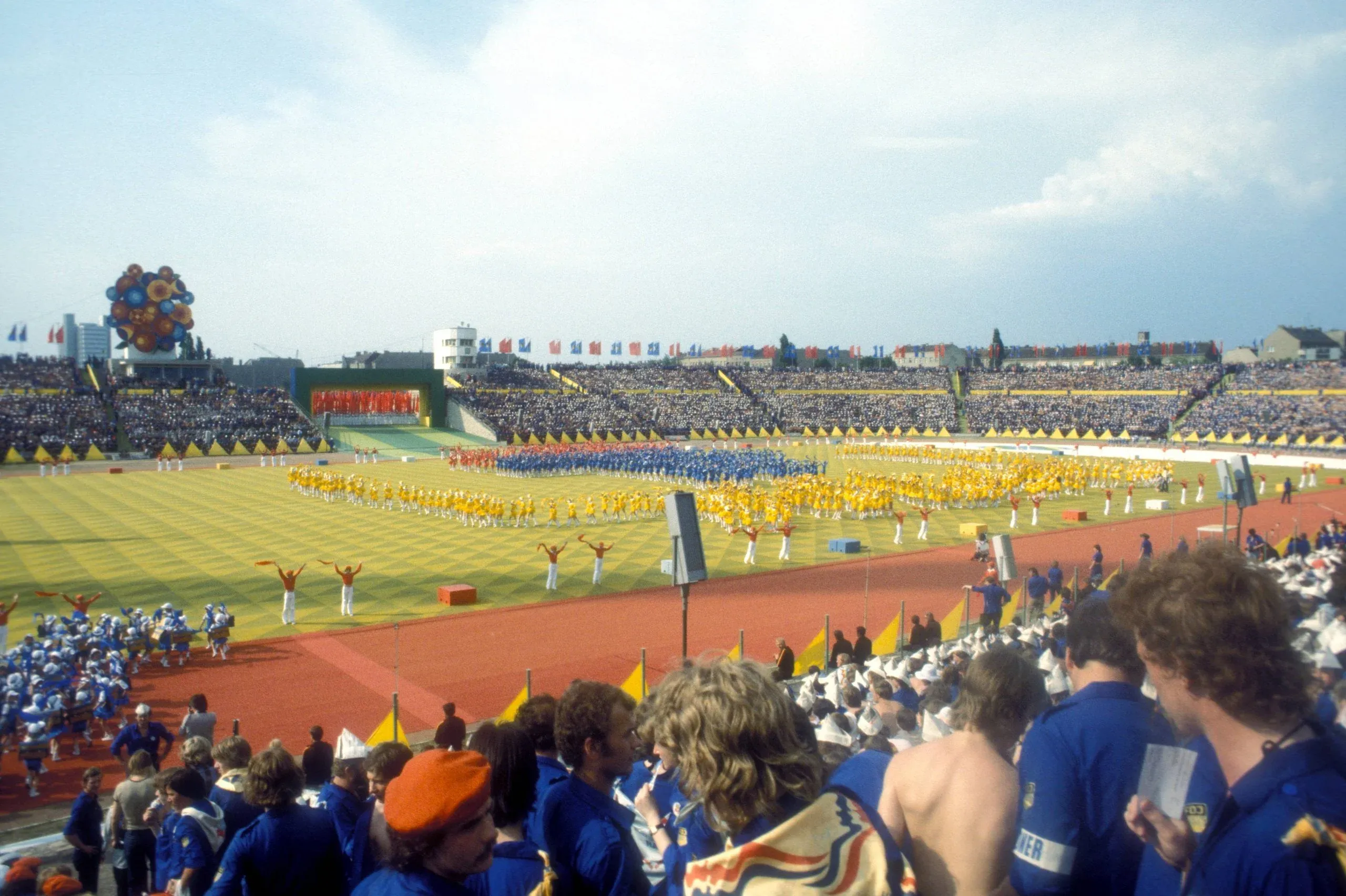
When Berlin applied to host the 2000 Olympic Games, the old stadium was demolished. However, Berlin botched the bid, and the sports hall planned for the stadium was never built. Today, the BND (Federal Intelligence Service) has its headquarters here.
About the Author

Urban Archaeologist
This guide is written by Berlin enthusiasts who know that the city is too big to walk in a day. We aim to help you use the bus network smartly to unlock the best of Berlin without the stress of navigating the complex public transport zones.
Tags
Comments (0)
Loading comments...