History of Berlin Buses - 1920s to Today
A visual journey through the history of Berlin's public transport. See the 'Torpedo' buses of the 1920s and the post-war double-deckers.
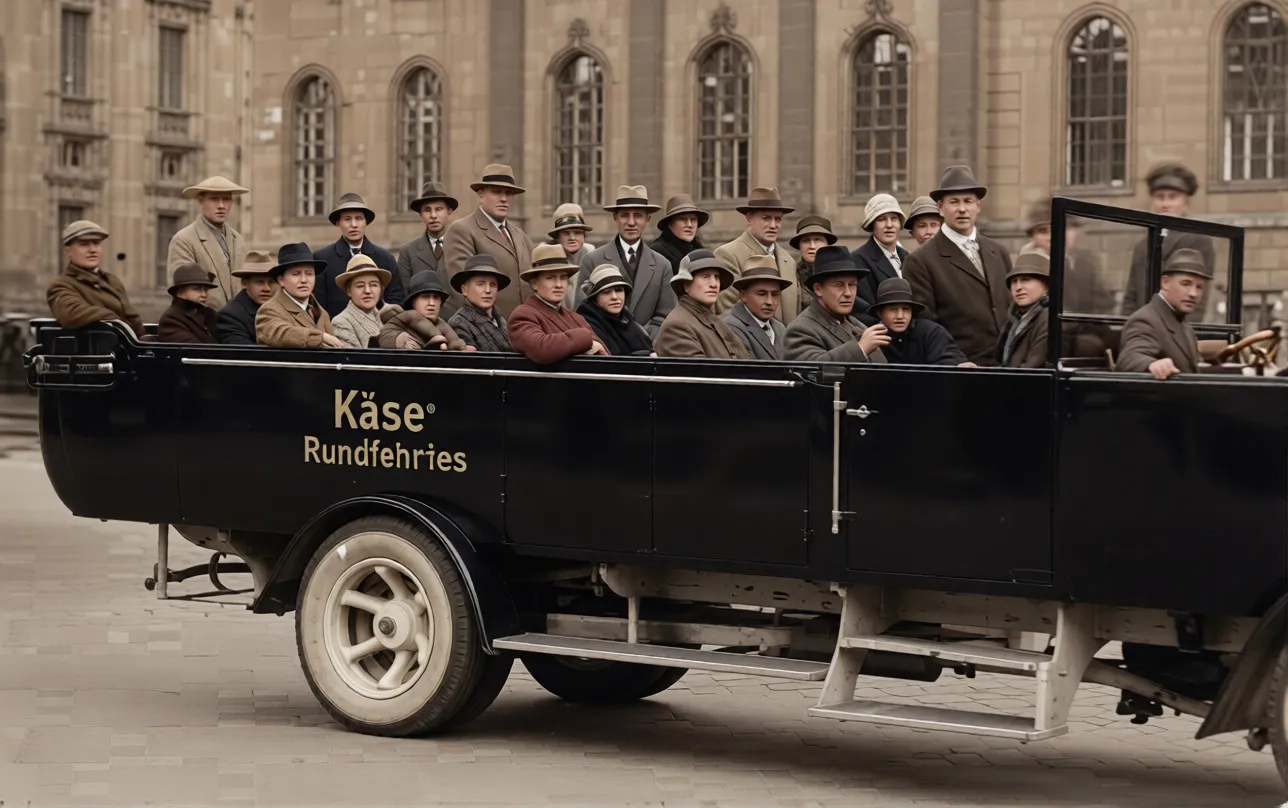
Berlin's heartbeat has always been measured by the rumble of its buses. As you sit on a modern Hop-On Hop-Off bus today, you are participating in a tradition that spans over a century.
The Roaring Twenties: Style on Wheels
In the 1920s, Berlin was a global metropolis, and its transport reflected that confidence.
The 1926 'Torpedo' Bus was a marvel of design. Open-topped and sleek, it was designed for sightseeing even then.
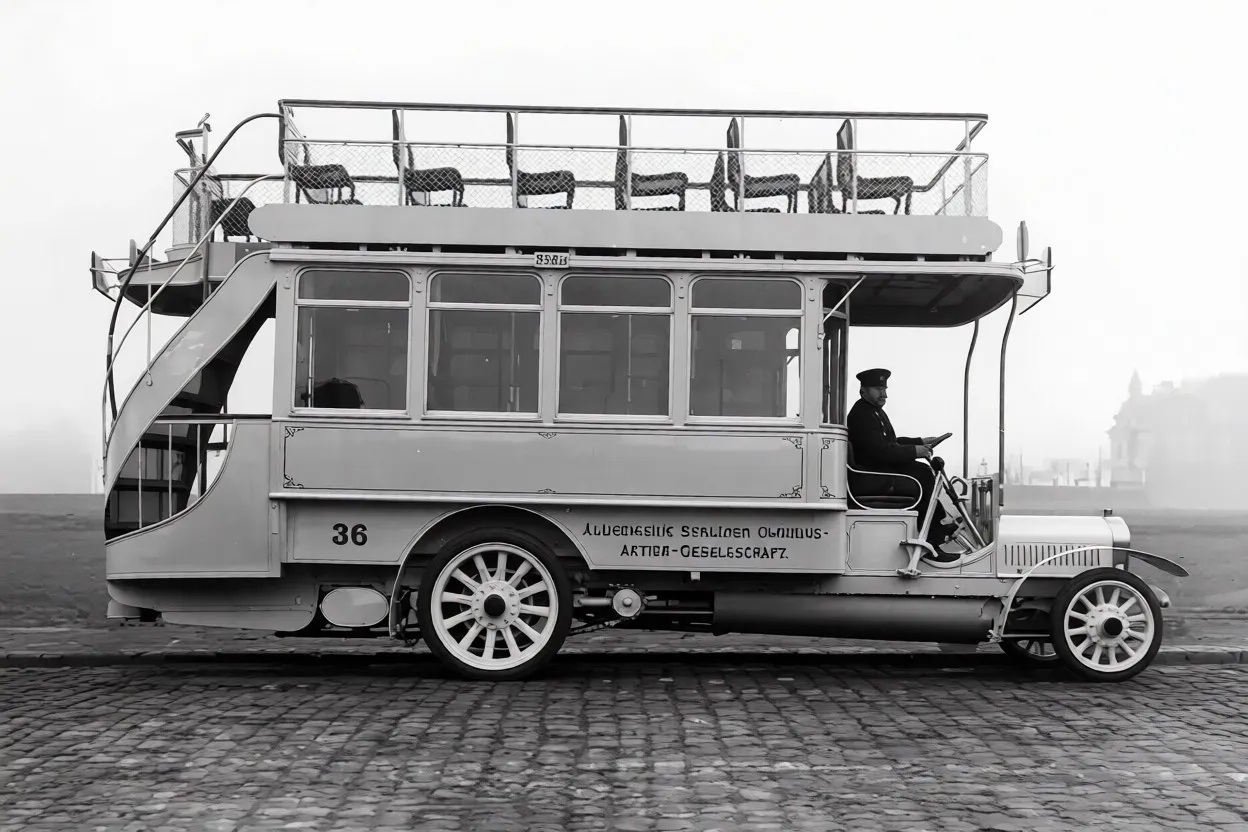
Prior to that, the 1910 Sightseeing Double-Decker had already established the city's love affair with the upper deck.
The War Years and Rebuilding
The destruction of World War II decimated the fleet. But the recovery was rapid. By the 1950s, Berlin needed to move its people again.
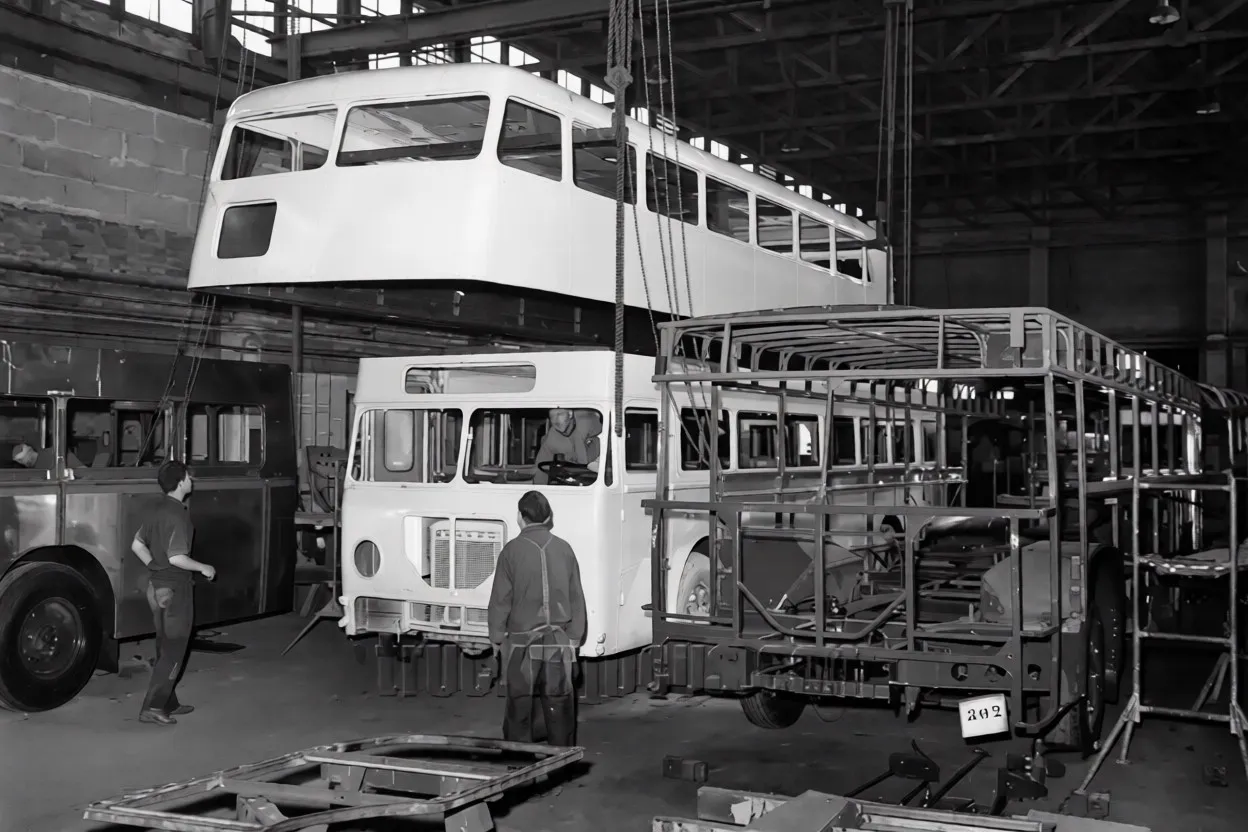
The 1951 Assembly Lines were buzzing with new Mercedes Benz double-deckers.
The Iconic BVG Yellow
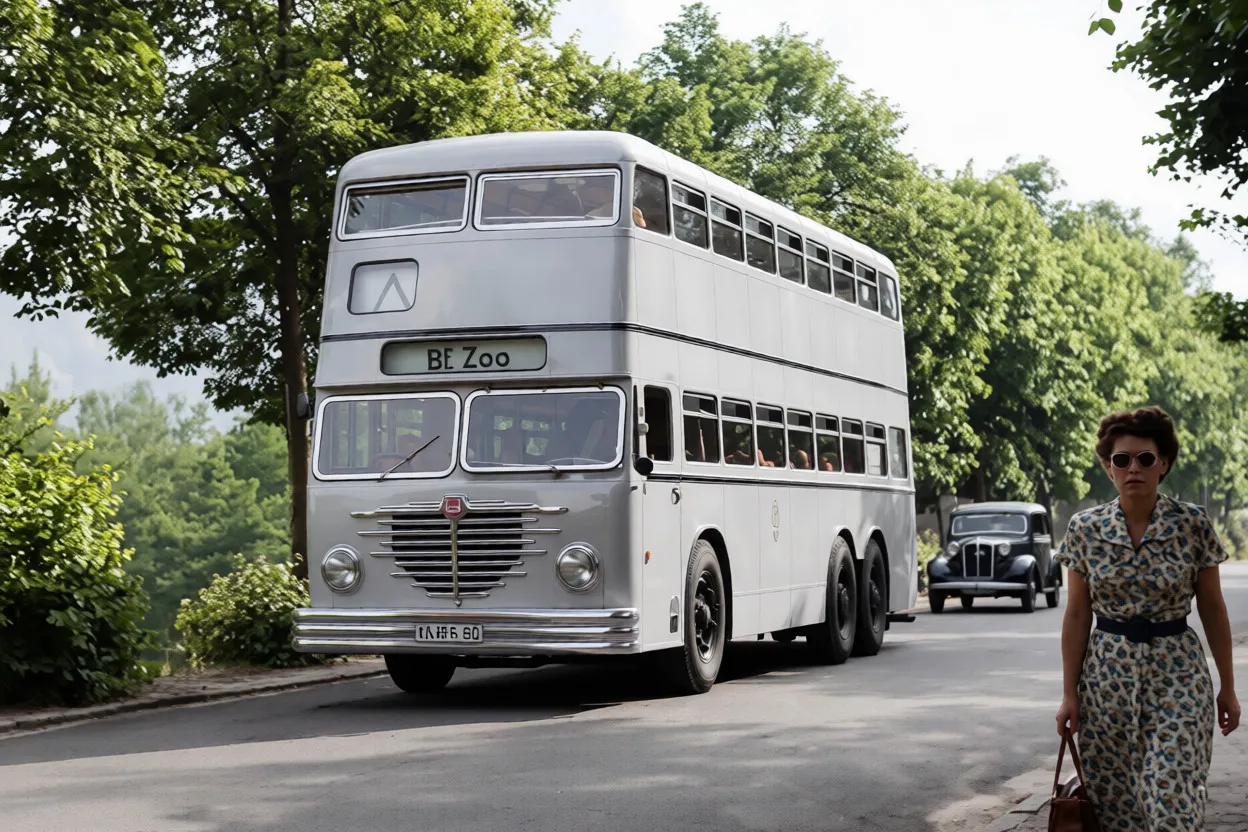
The post-war era saw the introduction of the cream/yellow buses that became synonymous with West Berlin.
The D2U and D3U models from 1954 are legendary among transport enthusiasts. They featured a characteristic "snout" engine design.
Innovations: Trailers and electrics
Berlin experimented wildly. Did you know there were double-decker buses pulling trailers?
The 1957 Trailer Double Decker was an attempt to maximize capacity.
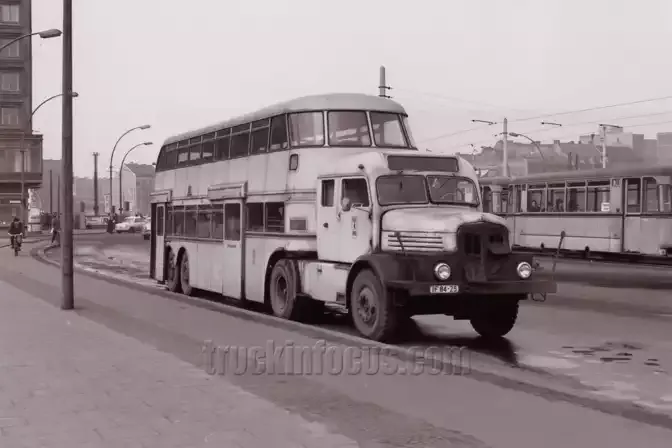
And shockingly, electric mobility isn't new. The 1974 Electric Double Decker Trailer shows that Berlin was thinking green decades ago.
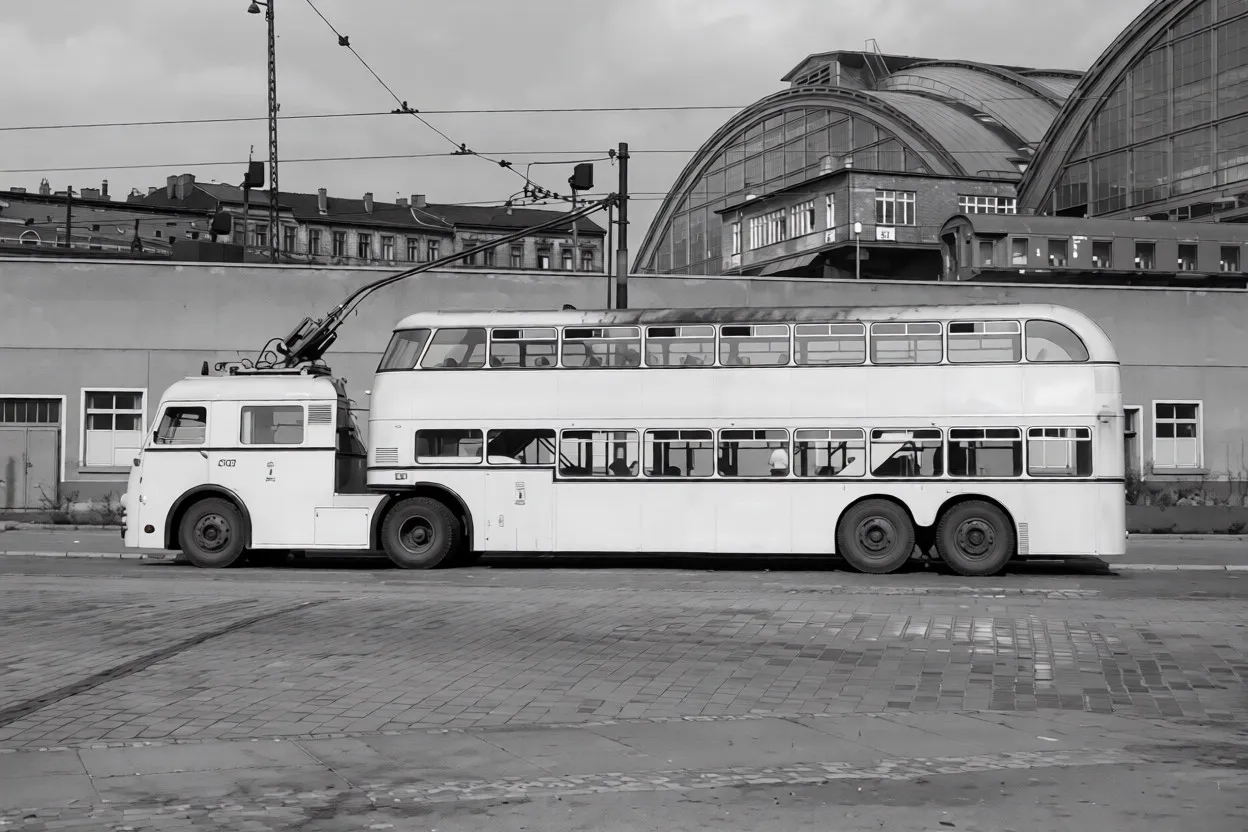
Today, as you ride the modern yellow giants, you are riding on the shoulders of these engineering giants.
Om forfatteren

Transport Historian
Denne guide er skrevet af Berlin-entusiaster, der ved, at byen er for stor til at gå igennem på en dag. Vores mål er at hjælpe dig med at bruge busnetværket smart for at låse op for det bedste af Berlin uden stressen ved at navigere i komplekse offentlige transportzoner.
Tags
Comments (0)
Loading comments...